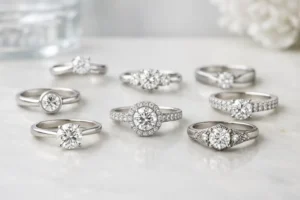
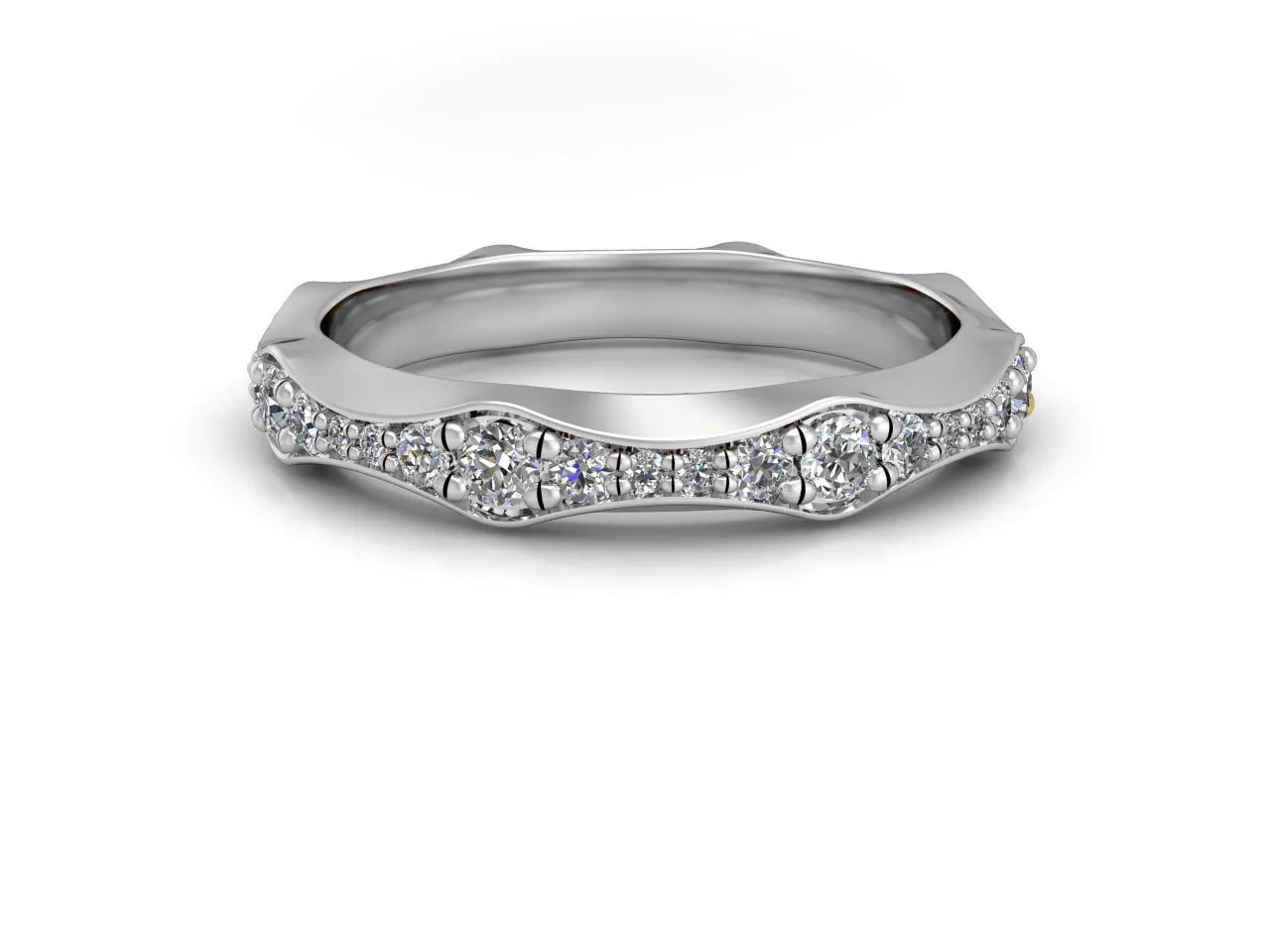

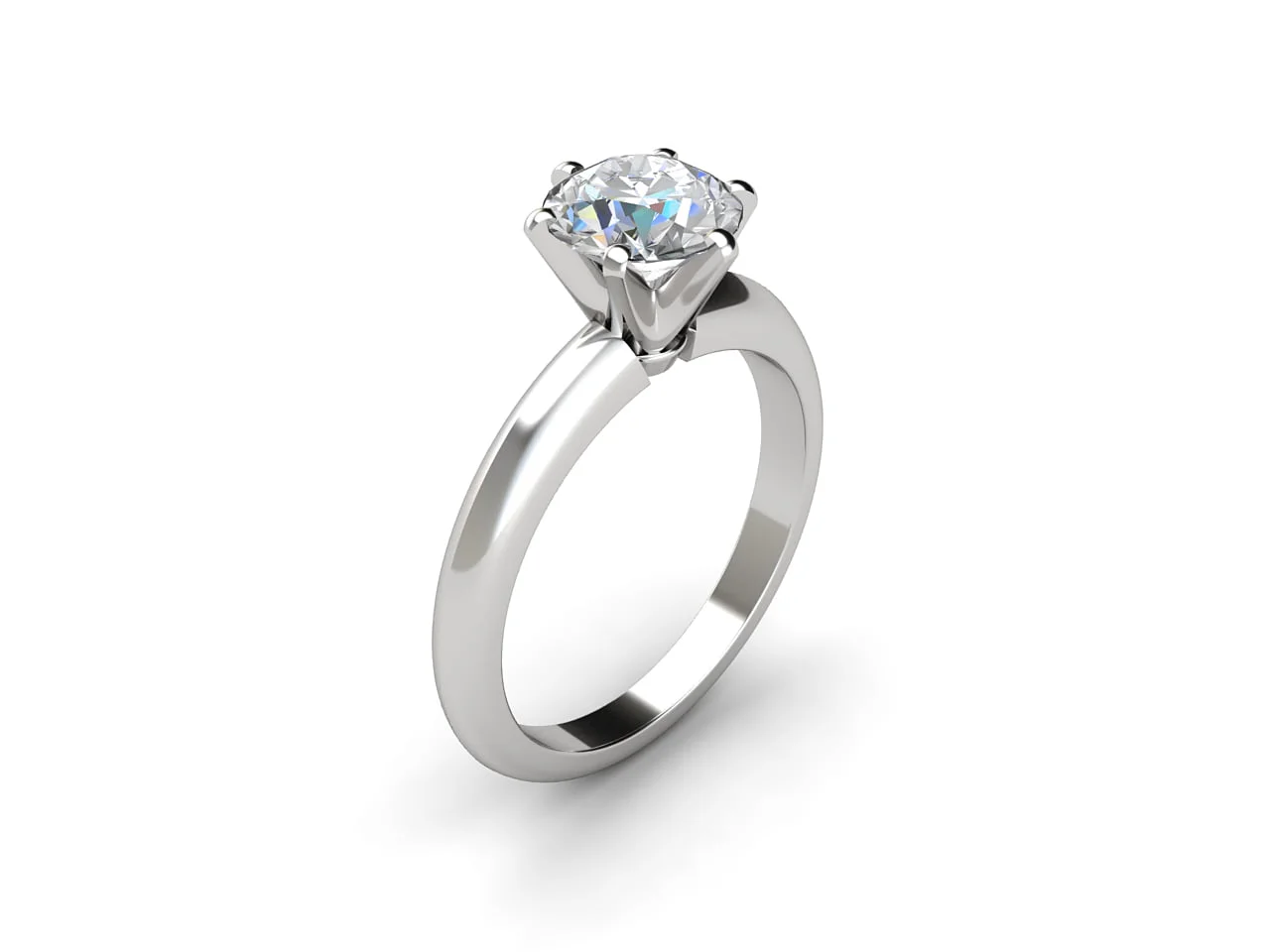

A diamond can be beautifully cut, perfectly set and technically impressive, yet still feel wrong the moment it goes on the hand. That is why learning how to choose diamond shapes matters so much. Shape is the part people notice first. It influences how large the stone appears, how it suits the wearer’s hand, how it catches light and how the ring feels day after day.
For many couples, shape is where emotion and practicality meet. You may love the clean symmetry of a round brilliant, then try on an oval and realise it feels more personal. You may be drawn to an emerald cut for its quiet sophistication, even though it gives a very different kind of sparkle. There is no single best shape, only the one that feels most like you and works with the design you want to create.
How to choose a diamond shape without second-guessing yourself
The easiest way to approach a diamond shape is to stop looking for a universal ranking. A shape that suits one person beautifully may not suit another’s hand, lifestyle or budget in the same way. The decision becomes clearer when you consider five factors: personal style, finger shape, ring setting, budget, and how much day-to-day practicality matters to you.
If you focus on only one factor, it is easy to get stuck. A client might choose a shape because it appears larger per carat, only to later realise they prefer a softer outline or a different style of brilliance. Another might fall in love with a sharp, elongated shape online without considering how often they use their hands. The best choices are balanced choices.
Start with the wearer, not the trend
Trends move quickly in jewellery, but an engagement ring or milestone piece is meant to be worn with you for years. That is why personal taste should lead. If the wearer loves clean lines, architectural detail, and understated glamour, emerald, asscher, or princess shapes may feel more natural than softer cushion or oval shapes. If they lean towards romantic, vintage-inspired jewellery, oval, cushion, pear, or marquise can bring that character more easily.
It also helps to think about the jewellery they already wear. Are their pieces minimal and modern, or detailed and expressive? Do they prefer bold silhouettes, or something refined and quieter? Often, the right diamond shape is already reflected in their existing style.
Diamond shape and hand proportions
One of the most practical aspects of choosing a diamond shape is understanding proportion. Certain shapes can visually elongate the finger, while others create a more balanced or substantial look.
Elongated shapes such as oval, pear, marquise and emerald cut often make fingers appear longer and slimmer. They can be especially flattering on shorter fingers or anyone who wants an elegant, lengthened look. Round, cushion, and asscher shapes tend to feel more centred and balanced. On longer fingers, these shapes can look beautifully proportioned and classic.
That said, hand shape is a guide, not a rule. Some clients deliberately choose contrast. A bold round brilliant on a slim hand can look striking. A compact cushion on a longer finger can feel soft and grounded. Proportion should support your preference, not override it.
Think about spread, not just carat weight
Two diamonds of the same carat weight can face up very differently depending on shape. Ovals, pears and marquise cuts often appear larger from above because of their elongated surface area. Round diamonds usually carry more of their weight in depth, so they may look a little smaller by comparison, even when they offer exceptional brilliance.
This becomes useful when budget matters. If you want a more visible size without dramatically increasing carat weight, shape can help achieve that. It is one of the reasons elongated diamonds are so popular. They create presence on the hand while often using the budget more efficiently.
Different shapes, different kinds of beauty
Not all sparkle looks the same, and this is where shape becomes very personal.
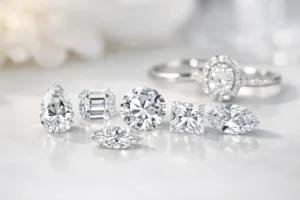
Round brilliant diamonds are loved for their strong, lively brilliance. They deliver the familiar sparkle many people imagine when they picture a diamond. Oval, pear, marquise, princess and cushion cuts can also offer bright scintillation, though each has its own pattern and personality.
Emerald and asscher cuts are different. Rather than a glittering sparkle, they show broad flashes of light and a hall-of-mirrors effect. Their beauty is quieter, more refined and often chosen by those who appreciate clarity, symmetry and elegance over maximum brilliance.
There is no better or worse here. It comes down to whether you want your diamond to shimmer energetically or reflect light in a calmer, more structured way.
A note on clarity and shape
Shape affects what the eye can see. Step-cut diamonds, such as emerald and asscher, generally show inclusions more readily because of their open facets. Brilliant-cut shapes tend to disguise small internal characteristics more easily. That means your preferred shape may influence where it makes sense to invest in clarity.
This is one of those trade-offs that matters. A client choosing an emerald cut may prioritise a cleaner clarity grade, while someone selecting an oval or cushion cut may have more flexibility without compromising beauty.
Match the diamond shape to the setting
A diamond never exists in isolation. The setting changes how the shape reads on the hand and how secure it is in daily wear.
Round diamonds are highly versatile and suit almost every style, from a classic solitaire to a detailed halo or three-stone design. Ovals and pears look beautiful in elegant, refined settings and can feel especially graceful in fine bands. Emerald cuts often pair naturally with clean, structured designs that let their lines speak for themselves.
Some shapes need a bit more consideration around protection. Pear, marquise and princess cuts have points that can be more vulnerable if left exposed. Thoughtful setting design, such as a protective claw arrangement, can preserve the look while adding practical durability. This is particularly important for engagement rings worn every day.
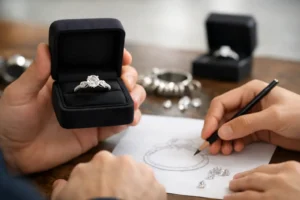
When designing a custom piece, shape and setting should be chosen together. A beautiful diamond can feel even more resolved once the setting is designed to suit its outline, scale and character.
Budget matters, but not always in the way people expect
When clients ask how to choose a diamond shape, budget is often close behind. Shape can affect price in several ways, including market demand, how much rough diamond is lost during cutting and how large the finished stone appears.
Round brilliants are often priced at a premium because demand is consistently high and more material is usually lost in the cutting process. Fancy shapes, which include everything other than round, can sometimes offer better value per carat. That does not mean they are a compromise. In many cases, they are simply a smarter way to achieve a particular look, size or individuality within budget.
It is also worth remembering that shape influences what you notice first. A slightly smaller diamond in the right shape may look more beautiful on the hand than a larger stone in a shape that does not feel quite right. The goal is not to stretch for the biggest possible carat weight. It is to create a ring that feels balanced, intentional and genuinely loved.
Popular shapes and what they tend to say
While personal style always comes first, shape does carry a certain visual language. Round feels timeless and classic. Oval feels elegant and contemporary. Cushion often feels soft and romantic. Emerald cut reads as refined and quietly confident. Pear can feel distinctive and feminine, while marquise tends to be bold and expressive.
These are not fixed identities, but they can help as you narrow your direction. If you already know the mood you want the ring to have, choosing the shape becomes easier.
Try shapes on before making a final decision
Photos are helpful, but they can be misleading. A shape that looks perfect online may sit differently on the hand than expected. Size, finger coverage, band width and setting height all influence the final impression.
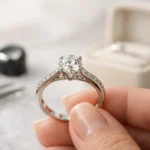
Trying on different shapes is often the turning point. Clients regularly arrive convinced they want one style, then change direction as soon as they see another on their hand. That is not confusion. It is clarity. Jewellery is deeply visual and deeply personal. Seeing the proportions in real life matters.
At Joseph George, this is often where the custom process becomes especially valuable. Once you can compare shapes with expert guidance, the decision feels less overwhelming and more intuitive. You begin to see not just what is popular, but what genuinely suits the wearer and the story the ring is meant to carry.
The right diamond shape should feel effortless once it is on the hand. Not because it follows a rule, but because it reflects the person wearing it with honesty, beauty and lasting confidence.