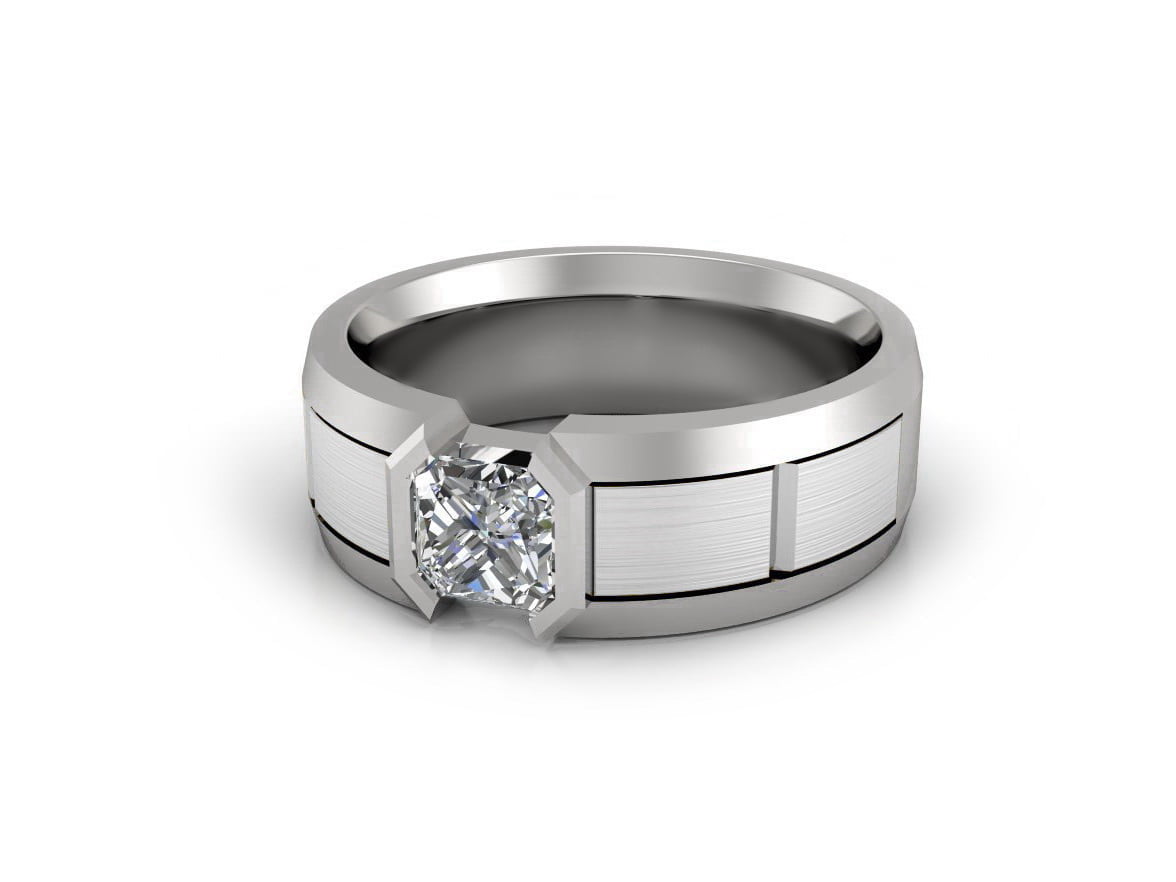
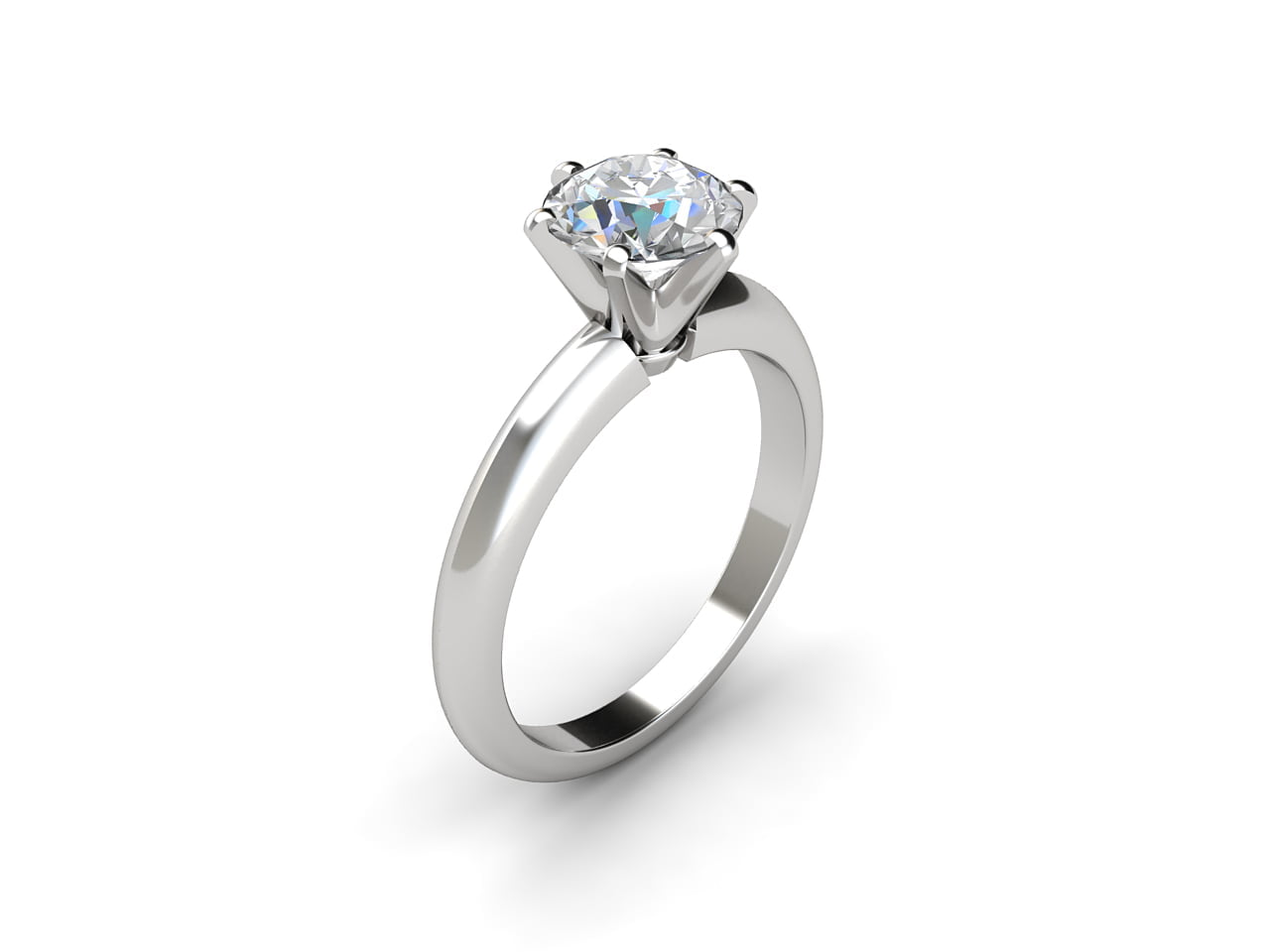

A proposal date can feel wonderfully close until you realise a custom ring is not something pulled from a display case. If you are asking how long customised engagement rings take, the honest answer is usually anywhere from four to ten weeks, depending on the design, the stone, and how quickly decisions are made along the way.
That range can sound broad, but there is a good reason for it. A bespoke engagement ring is created in stages, and each stage matters. From the first design conversation through to sourcing the right diamond or gemstone, refining the setting, casting, hand-finishing and final quality checks, time is part of what gives the piece its meaning and longevity.
How long do customised engagement rings take in practice?
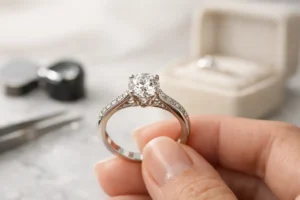
For a relatively straightforward custom ring, four to six weeks is a sensible expectation. This suits many classic solitaire and halo designs, particularly when the centre stone is readily available, and the design brief is clear from the beginning.
More detailed pieces can take longer. If you are creating a ring with intricate claws, hidden details, multiple accent stones, engraving, or a less common centre stone, the process may take six to eight weeks, and occasionally beyond that. Handmade elements and repeated design refinements can add time, but they also add character.
On the other hand, a ring can sometimes be completed sooner if the design is simple, the chosen diamond is already available, and approvals happen promptly. Speed is possible, but it should never come at the cost of craftsmanship or structural integrity.
What actually happens during the custom process?
The first stage is consultation and design. This is where ideas become practical decisions. You may come in with a clear vision, or you may only know that you want something personal and beautifully made. Either way, this stage involves discussing style, proportions, metal choice, budget and stone preferences.
Once the concept is settled, the design is developed. In many bespoke workshops, this includes CAD modelling and often a 3D-printed prototype or digital render, so you can see how the ring will look before production begins. This is one of the most valuable parts of the process because small changes made here can prevent disappointment later.
After the design is approved, the ring moves into production. The metal is cast or formed, the setting is built, and the piece is hand-finished. Then the diamond or gemstone is set, followed by final polishing and quality control. Each of these steps relies on precision. A ring worn every day needs more than good looks – it needs to be made to last.
The biggest factors that affect timing
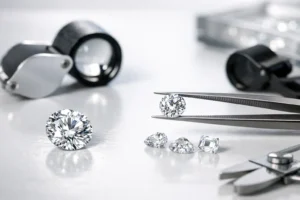
The centre stone often has the biggest impact on the schedule. If you are choosing a popular round brilliant diamond with standard specifications, sourcing may be relatively quick. If you are after a specific carat weight, an elongated shape, a rare gemstone, an antique cut, or a stone with very particular characteristics, the search can take longer.
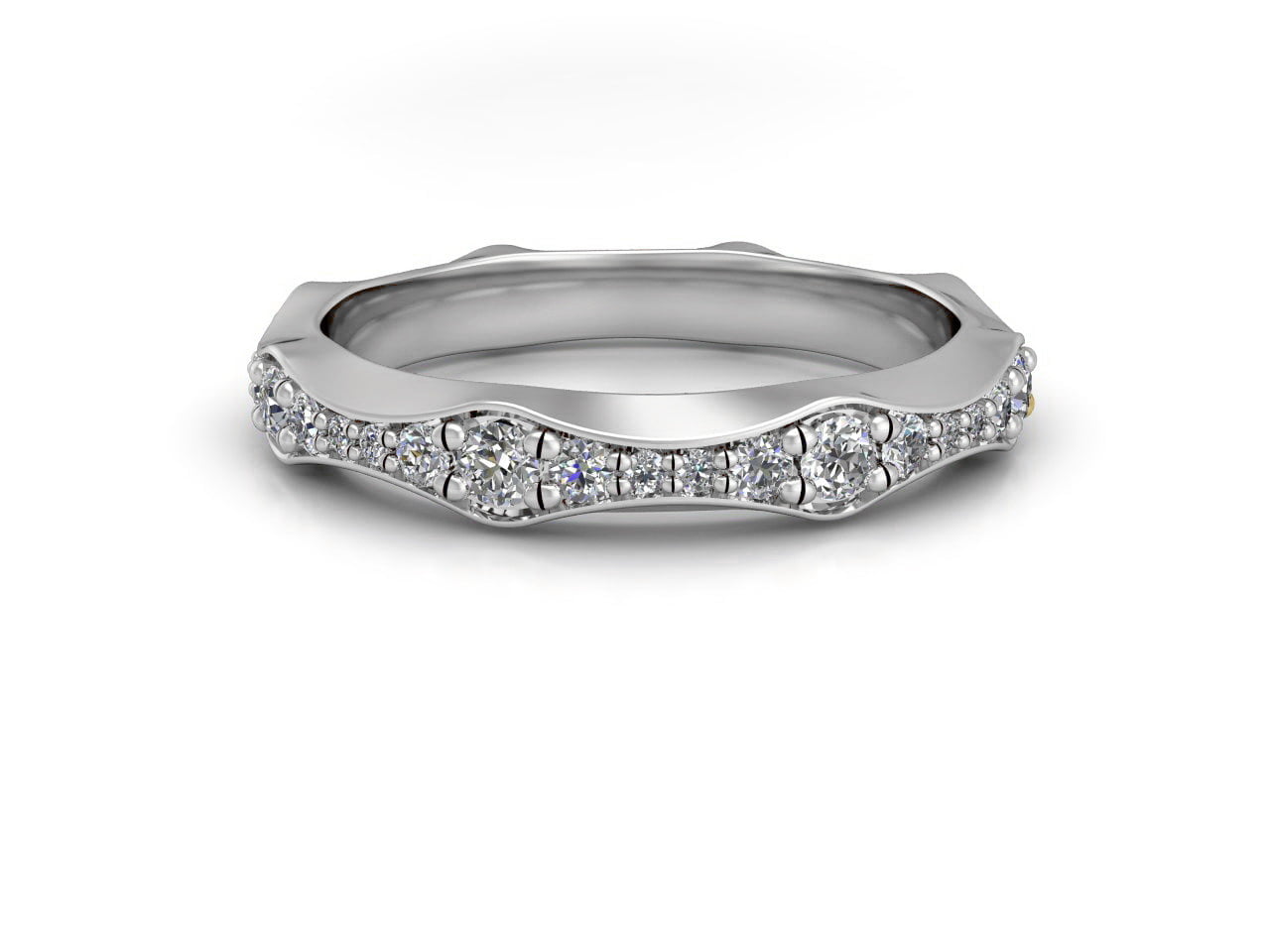
Design complexity matters too. A clean solitaire with a plain band is naturally faster to produce than a ring with a hidden halo, pavé shoulders, mixed-metal details, or elaborate setting work. None of these features is a problem, but they do require extra labour and more careful finishing.
Your decision-making timeline also plays a part. Some clients know exactly what they want and approve designs quickly. Others, understandably, need a little more time to compare stones, think through options and make sure the ring feels right. There is no wrong approach, but if you have a proposal date in mind, quick communication helps keep the project on track.
Busy seasonal periods can also affect production times. Around Christmas, Valentine’s Day and the lead-up to wedding season, jewellers are often managing a higher volume of commissions. Planning early gives you more flexibility and reduces pressure on everyone involved.
Why rushing a custom ring can be risky
When a ring carries this much emotional weight, it is tempting to ask for it as quickly as possible. Sometimes that can be accommodated, but there is a difference between working efficiently and rushing.
A rushed timeline can limit stone options, reduce time for thoughtful design revisions and place pressure on production stages that should be handled carefully. Fine tolerances matter in jewellery. Claw placement, band thickness, stone security and finishing quality all contribute to how the ring wears over the years, not just how it looks on the day it is presented.
This is especially true of engagement rings, as they are expected to be worn daily. A beautiful design still needs to be practical. A good bespoke jeweller will guide you toward choices that balance elegance with durability, even if that means allowing a little more time.
If you need the ring by a certain date
If your proposal is tied to a holiday, overseas trip, anniversary or family occasion, say so at the very beginning. The earlier that timeline is shared, the easier it is to advise whether the design is realistic within that window.
Sometimes the answer is to simplify the design slightly or choose from available diamonds rather than waiting for a more unusual stone to be sourced. In other cases, the jeweller may suggest beginning with the engagement ring and leaving a matching wedding band or additional details for later. It depends on what matters most to you.
There is also value in leaving a buffer. Aim to have the ring completed at least one to two weeks before you actually need it. That cushion can ease stress if a stone takes longer to arrive or if a minor design adjustment is needed before collection.
How to help the process move smoothly
Good preparation saves time without compromising quality. If you have inspiration images, preferred shapes, a rough budget and a sense of metal colour, bring those ideas into the first conversation. You do not need every answer, but a clearer brief makes the design phase more efficient.
It also helps to know your partner’s style. Do they wear fine, delicate jewellery or prefer something bolder? Are they practical with their hands at work? Do they love classic pieces, or something more individual? These details influence not only aesthetics but also the structure of the ring.
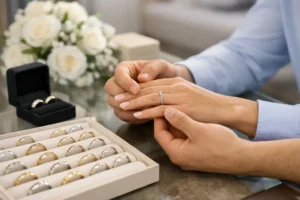
Ring size can be another source of delay if it is left until the last minute. If you can discreetly find a reasonably accurate size early, that removes one more unknown from the timeline.
Is custom always slower than buying ready-made?
Usually, yes – but it offers something ready-made, never quite can. A custom engagement ring is built around your priorities rather than adapted from a standard design. That means the proportions can be better balanced, the stone can be selected more thoughtfully, and the final piece can reflect your story rather than a trend.
It is also worth remembering that not all ready-made rings are truly immediate. Many still require resizing, resetting, ordering in, or adjusting before collection. The time saved may be smaller than expected, especially if you are searching for something very specific.
For many couples, the custom route feels more reassuring because they understand exactly what they are paying for. The process is transparent. You can see the design evolve, ask questions, compare options and make informed decisions instead of settling for what happens to be available.
A realistic timeline to plan around
If you want a useful rule of thumb, allow at least six to eight weeks for a customised engagement ring, and more if the design is intricate or the stone is uncommon. If your date is fixed, starting two to three months ahead is even better.
At Joseph George, that planning allows room for what matters most – careful guidance, considered design and hand-finished workmanship that does justice to the moment. The right ring should never feel hurried.
If you are early in the process, that is a good thing. A little extra time gives you space to ask better questions, compare options properly and create a piece that will still feel right decades from now.