
Choosing a diamond shape is one of the first decisions you make when designing an engagement ring. It sets the character of the entire piece. The wrong choice can leave you second-guessing. The right one feels obvious the moment you see it on your hand.
This guide covers every major diamond shape, how each one performs in different settings, and how to make a confident final decision.
Table of Contents
- What is a diamond shape?
- Why diamond shape matters
- The ten main diamond shapes explained
- How to pair diamond shapes with ring settings
- Diamond shapes by hand and finger type
- Timeless vs trending: shape longevity in 2026
- Questions to ask your jeweller
- Why choose Joseph George for a custom diamond ring
- How to choose the right diamond shape
- Key takeaways
- Frequently asked questions
What is a diamond shape?
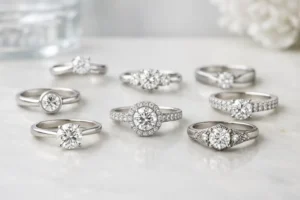
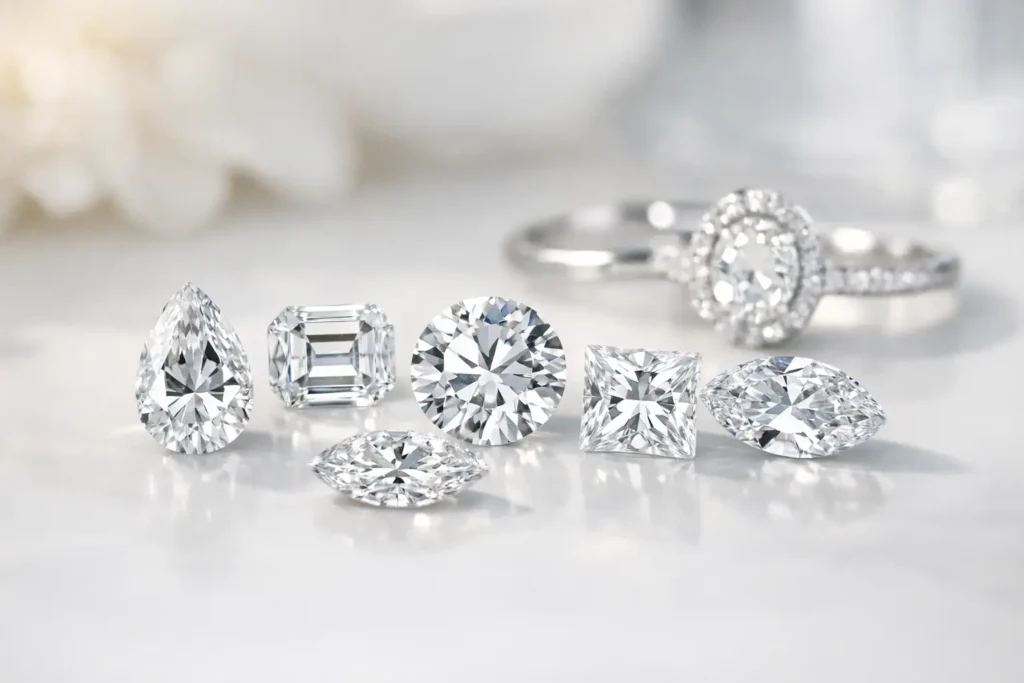
A diamond shape refers to the outline of the stone as viewed from above. Round, oval, pear, cushion, emerald, princess, radiant, marquise, asscher, and heart are the ten primary shapes used in fine jewellery today.
Shape is different from cut. Cut refers to the quality and precision of the faceting. Shape is the outline. Both matter. A well-cut stone in the right shape performs far better than a poorly cut stone in the most popular one.
Why diamond shape matters
Shape influences more than appearance. It affects:
- How much the stone sparkles
- How large it appears relative to its carat weight
- How well it suits your hand and finger type
- Which setting styles work best
- How much protection does the stone need in daily wear
- The relative cost for similar carat weights
Understanding each shape before you commit means fewer compromises and a ring that suits the wearer for life.
The ten main diamond shapes explained
Round brilliant
The round brilliant is the most popular diamond shape in Australia and globally. Its 57 or 58 facets are engineered to return maximum light, producing the brightest, most consistent sparkle of any shape.
It suits every setting style and almost every hand type. For clients who want enduring appeal and strong light performance without leaning into trends, round is the benchmark.
The trade-off is cost. Round diamonds lose more rough stone during cutting and carry a consistent demand premium. For the same carat weight, a round brilliant will cost more than most fancy shapes.
Best for: Clients who want timeless, brilliant sparkle and maximum versatility.
Oval
Oval diamonds deliver much of the brilliance of a round brilliant while offering an elongated silhouette. They create the impression of a larger stone because they cover more finger surface for the same carat weight.
They are among the most flattering shapes for a range of hand types, and they work across setting styles from minimal solitaires to detailed halos. Oval has grown significantly in popularity across Australia over the past five years and shows no sign of slowing.
One consideration: some oval stones show a bow-tie effect, a darker shadow across the centre caused by light leakage. A well-proportioned, well-cut stone minimises this. Inspection before purchase matters.
Best for: Clients who want brilliance, finger coverage, and an elongated, elegant silhouette.
Pear
A pear-shaped diamond has the rounded base of an oval and tapers to a single point. Worn with the point toward the fingertip, it creates a graceful, elongating effect on the hand.
Pear is less conventional than round or oval, which suits clients who want something distinctive without moving too far from classic brilliance. Like oval, pear shapes can show a bow-tie effect, so cut quality and proportion are critical.
The pointed tip requires a protective claw in the setting to prevent chipping during daily wear.
Best for: Clients who want a romantic, slightly unconventional shape with a strong elongating effect.
Cushion
Cushion-cut diamonds have a square or rectangular outline with softly rounded corners. Their faceting style varies: some cushions are antique in character with larger facets and a softer glow, others are cut for modern brilliance.
The cushion shape is one of the most popular among Joseph George clients. It works well in vintage-inspired designs, halo settings, and contemporary solitaires. Its softer corners make it one of the more practical shapes for everyday wear.
Best for: Clients who want softness, romance, and versatility across traditional and modern designs.
Radiant
Radiant cut keeps a rectangular or square outline but uses brilliant-style faceting. The result is a shape with the clean lines of an emerald or princess cut, but with far more sparkle.
It is a strong choice for clients who are drawn to rectangular shapes but want the light performance of a brilliant cut. Radiant also hides inclusions well due to its faceting style, making it forgiving when selecting clarity.
Best for: Clients who want the outline of a step-cut shape with the brilliance of a round.
Emerald
Emerald-cut diamonds use long, parallel step-cut facets rather than the brilliant faceting found in round or oval stones. Instead of intense sparkle, they produce broad, mirror-like flashes of light. The effect is sophisticated, architectural, and quietly luxurious.
Emerald cut pairs particularly well with sleek, minimal settings in platinum or yellow gold. Its open facets mean inclusions and colour are easier to see, so stone quality selection is more important with this shape than with brilliant cuts.
Best for: Clients who prefer elegance and refinement over flash, and who are comfortable investing in higher clarity.
Princess
A princess cut has a square outline with sharp corners and brilliant-style faceting. It was one of the most popular shapes globally through the 2000s and 2010s and remains a clean, contemporary choice.
Its sharp corners can be vulnerable to chipping if not properly protected by the setting. A well-made bezel or corner claw addresses this. For clients who want a square shape with strong sparkle, the princess is worth serious consideration alongside the radiant.
Best for: Clients who want a crisp, modern square shape with high brilliance.
Marquise
Marquise diamonds are elongated, with pointed tips at both ends. They create exceptional finger coverage relative to their carat weight, often appearing larger than rounds or ovals of the same size.
They can feel bold and regal. Both pointed ends require protective claws in the setting. Like oval and pear, marquise stones can show a bow-tie effect, so proportion matters.
Best for: Clients who want maximum visual size, a distinctive silhouette, and a confident statement.
Asscher
Asscher cut is a square step-cut shape with deeply cropped corners. It has a strong vintage character, closely associated with Art Deco jewellery. Like an emerald cut, it produces dramatic flashes of light rather than brilliant sparkle.
Asscher appeals to clients who appreciate structure, heritage, and a more architectural look. Its open facets mean clarity selection is important, and its symmetry needs to be precise to look its best.
Best for: Clients who love vintage character, geometric precision, and understated drama.
Heart
Heart-shaped diamonds are deeply sentimental. They require precise cutting to achieve pleasing symmetry, and the two lobes need to be well-defined for the shape to read clearly.
Heart shapes work best in settings that allow the outline to sit unobstructed. They are a specialised choice, not suited to every design or every client. For those to whom the symbolism matters, a well-cut heart in the right setting is a genuinely beautiful piece.
Best for: Clients for whom the shape’s romantic symbolism is a priority.
How to pair diamond shapes with ring settings
| Diamond Shape | Solitaire | Halo | Three-Stone | Pavé Band | Bezel |
|---|---|---|---|---|---|
| Round | Excellent | Excellent | Excellent | Excellent | Excellent |
| Oval | Excellent | Excellent | Good | Excellent | Good |
| Pear | Good | Excellent | Good | Good | Not recommended |
| Cushion | Excellent | Excellent | Good | Excellent | Good |
| Radiant | Excellent | Good | Good | Good | Good |
| Emerald | Excellent | Not recommended | Good | Good | Excellent |
| Princess | Good | Good | Good | Good | Excellent |
| Marquise | Good | Good | Not recommended | Good | Not recommended |
| Asscher | Excellent | Not recommended | Good | Good | Good |
| Heart | Good | Good | Not recommended | Not recommended | Not recommended |
Setting notes:
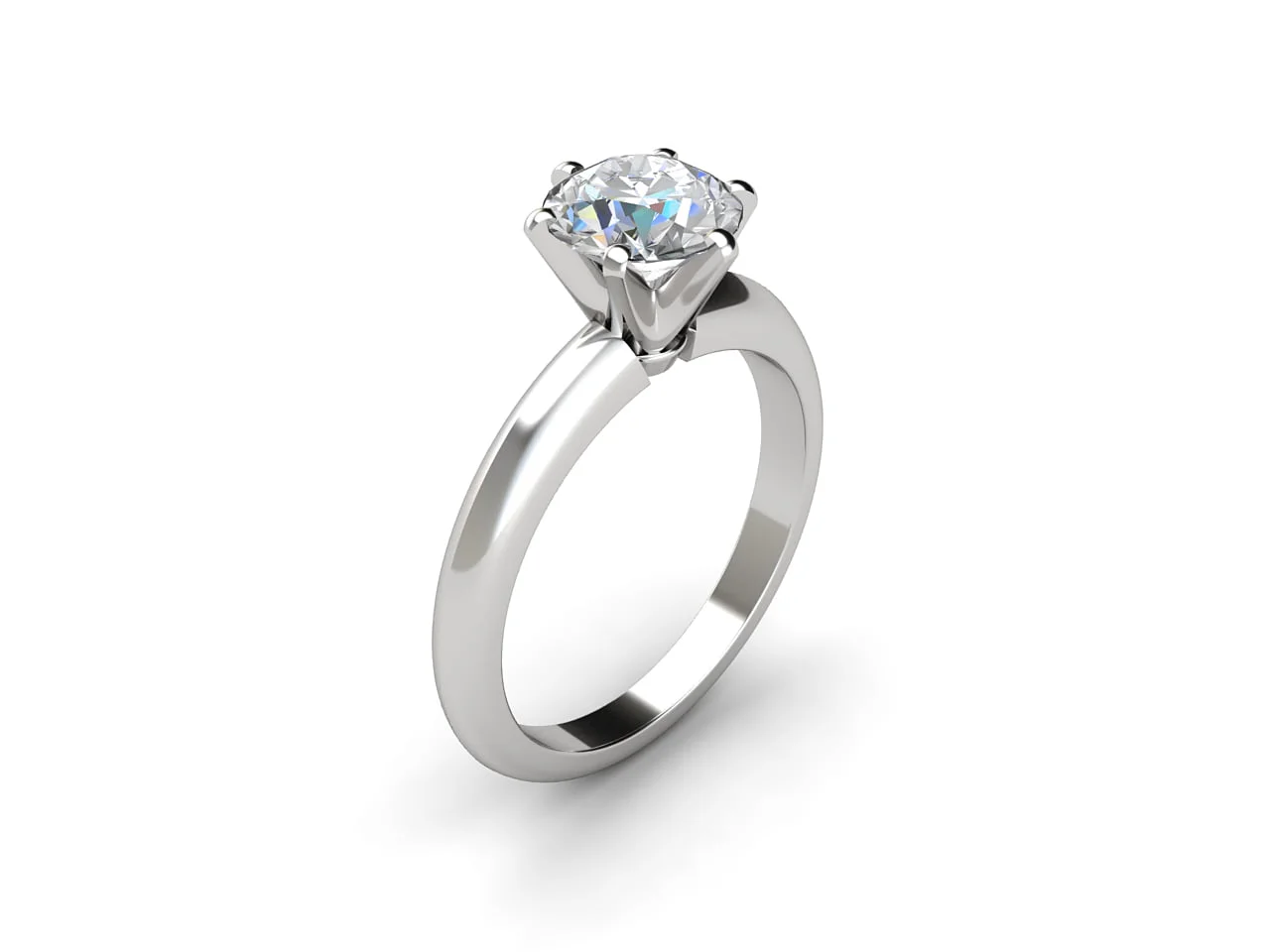
- Solitaire: Lets the shape speak for itself. Best for confident shapes with strong outlines.
- Halo: A border of small stones amplifies presence. Works especially well with round, oval, pear, and cushion.
- Three-stone: The centre shape needs to complement the side stones. Round, oval, and emerald work most reliably.
- Pavé band: Adds brilliance along the band. Suits most shapes. Less effective with heart and marquise.
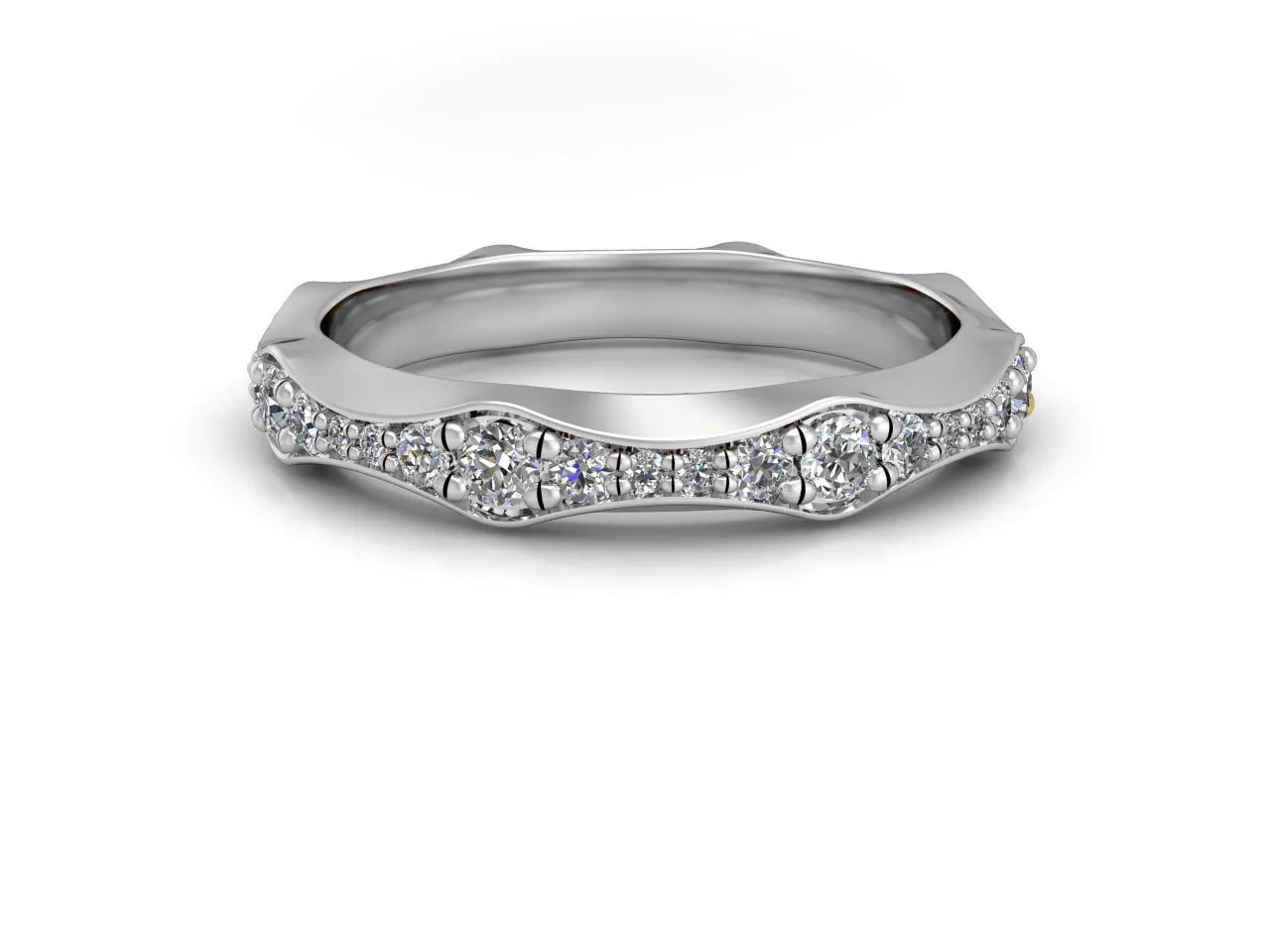
- Bezel: A metal rim encircles the stone. Offers maximum protection. Works beautifully with emerald, princess, and round. Less suited to pointed shapes.
Diamond shapes by hand and finger type
No shape is universally flattering. The same stone looks different on different hands. Here is a practical guide.
Short or wide fingers
Elongated shapes make fingers appear longer and more slender. Oval, pear, and marquise are the strongest choices. Avoid wide square shapes like princess or asscher, which can emphasise width.
Long or slender fingers
Most shapes work well. Round, cushion, and radiant look particularly balanced. You have more freedom here. A wider band also suits longer fingers without looking out of proportion.
Small hands
Shapes with strong outlines and generous finger coverage read well on small hands. Oval, cushion, and pear create presence without overwhelming. Avoid very large stones that extend beyond the sides of the finger.
Large hands
Larger stones and wider bands are proportionate. Round brilliants, emerald cuts, and cushions all work well. A very delicate solitaire on a very fine band can look undersized.
Wider nail beds
Square and round shapes align naturally with wider nail beds. Princess, cushion, and radiant suit this hand type well.
Timeless vs trending: shape longevity in 2026
Not every popular shape ages the same way. When you are choosing a ring you will wear for decades, this matters.
Timeless shapes
Round brilliant has been the dominant choice for over a century. It has no era association. Oval has been worn consistently since the 1960s and has never felt dated. Emerald and asscher carry a strong Art Deco heritage that cycles in and out of fashion without ever feeling obsolete. Cushion has roots in the old mine cuts of the 19th century and continues to feel both classic and current.
Currently strong in Australia
Oval is at peak popularity in 2026 and has been for several years. Pear has grown significantly, driven by high-profile international engagement rings. Radiant is gaining ground among clients who want a modern rectangular shape with strong sparkle.
Shapes with a strong era association
Princess cut peaked in popularity in the early 2000s. It remains a clean, attractive shape, but it does carry some association with that period. If longevity is a priority, consider radiant as a contemporary alternative.
The practical question
Ask yourself: would I still feel the same about this shape in 20 years? For most clients, the answer is yes if the shape reflects genuine personal taste rather than what is trending at the time of purchase.
Questions to ask your jeweller
If you are moving from research to a final decision, these questions help you evaluate both the stone and the jeweller.
About the diamond:
- What is the cut grade of this stone, and how does that affect its light performance?
- Does this stone show a bow-tie effect? Can I see it in different lighting conditions?
- For step-cut shapes: what clarity grade do you recommend for this shape, and why?
- How does this stone’s proportion affect how large it appears on the hand?
About the setting:
- Which setting style best protects this shape for daily wear?
- Can I see this shape in a range of settings before committing?
- How will the stone’s bandwidth and metal colour affect how it reads on my hand?
About the process:
- Can I see a wax model or CAD render before the ring is made?
- What is your process for sourcing diamonds, and can I review the options?
- What after-care or resizing service do you offer?
A jeweller who answers these questions clearly and without pressure is one worth trusting.
Why choose Joseph George for a custom diamond ring
Joseph George is a bespoke fine jewellery studio at 271 Collins Street, Melbourne. Every ring is made by hand to order. There are no display cases of standard designs. The process starts with a conversation.
Clients work directly with George to select the diamond shape, setting style, metal, and every detail of the design. The result is a ring built around the person wearing it, not around a catalogue.
Here is what one client had to say after his experience:
“My fiancé was extremely happy with her engagement ring from George. He is exceptional at his craft, a true talent, and goes above and beyond in both selecting the diamond and creating the ring. George is fully sincere and there is no salesmanship, he is purely interested in delivering the highest quality service. We will always be thankful that George made our ring, it is truly special.” Kalindu G, Google Review
If you are ready to begin, book a consultation at the studio.
How to choose the right diamond shape
Start with what you are drawn to, then pressure-test it against these four factors.
- Lifestyle. Do you work with your hands? Shapes with pointed tips or sharp corners need more protective settings. If low maintenance is a priority, round, oval, and cushion are the most forgiving.
- Hand type. Refer to the hand and finger guide above. An elongated shape on short fingers makes a genuine visual difference.
- Setting preference. Some shapes are flexible across setting styles. Others suit a narrower range. Know which setting you want before you commit to a shape.
- Longevity. If you want a ring that feels as right in 30 years as it does today, lean toward shapes with no strong association with a particular era. Round, oval, cushion, and emerald are strong choices on this basis.
If you are undecided between two shapes, see them both in person. Photographs do not capture how a stone moves in light, or how it reads at the scale of an actual ring on an actual hand.
Key takeaways
- Diamond shape affects sparkle, visual size, finger coverage, setting options, and daily practicality.
- Round brilliant delivers the strongest light performance and the widest versatility, at a cost premium.
- Oval, pear, and marquise create an elongating effect and offer strong visual size relative to carat weight.
- Cushion and radiant are among the most popular shapes for custom rings in Australia right now.
- Emerald and asscher cuts suit clients who prefer elegance and architectural beauty over intense sparkle.
- Step-cut shapes (emerald, asscher) require more attention to clarity selection.
- Elongated shapes (oval, pear, marquise) should be assessed for bow-tie effect before purchase.
- Setting style, band width, and metal colour all change how the shape reads on the hand.
- The best shape is the one that suits the wearer’s hand, lifestyle, taste, and the design in which it will be set.
Frequently asked questions
What is the most popular diamond shape for engagement rings in Australia?
Round brilliant is the most popular shape overall. Oval has grown strongly over the past five years and is now the most requested fancy shape in many Australian studios, including Joseph George.
Which diamond shape looks biggest for its carat weight?
Marquise creates the largest visual footprint for its carat weight due to its elongated outline. Oval and pear also appear larger than round diamonds of the same weight because they cover more finger surface.
Which diamond shape is best for someone who works with their hands?
Round, oval, and cushion are the most practical choices for active lifestyles. They have no sharp corners or pointed tips, and they suit a range of protective setting styles, including bezel and low-profile claws.
Do step-cut diamonds like emerald and asscher sparkle less?
They sparkle differently, not less. Instead of the intense, scattered brilliance of a round or oval, they produce broad, mirror-like flashes. Many clients prefer this effect. It is a question of personal taste, not quality.
How do I know if a diamond shape suits my hand?
The best way is to try on rings in person. As a general guide, elongated shapes (oval, pear, marquise) suit shorter or wider fingers. Round and cushion suits most hand types. Square shapes (princess, asscher) suit wider nail beds and longer fingers.
Can I change the shape of a diamond after the ring is made?
No. The diamond shape is set at the cutting stage and cannot be changed without replacing the stone. Choose carefully before the ring is made. A consultation at Joseph George includes time to compare shapes in person before any commitment is made.