A custom engagement ring starts with decisions, not diamonds. If you know what to prioritise and in what order, the process is clear. This guide walks you through every step, from the first conversation to the finished piece.
Table of Contents
- What is a custom engagement ring design?
- Why design a custom engagement ring?
- How to design an engagement ring, step by step
- Setting styles compared
- Metal options compared
- What to look for in a custom jeweller
- Timelines and costs
- Key takeaways
- Frequently asked questions
What is a custom engagement ring design?
Custom engagement ring design is the process of creating a ring to your brief, rather than selecting one from a display case. Every element, the stone shape, setting style, metal type, band profile and personal details, is chosen and refined for the specific wearer.
The process is collaborative. A jeweller guides you through each decision in sequence. The result is a ring built around the person who will wear it, not a size range or a popular trend.
Why design a custom engagement ring?
- You control the proportions, not just the style
- The design reflects the wearer’s daily life and taste
- You allocate the budget where it has the most visible impact
- Personal details like engravings or hidden stones are built in from the start
- A bespoke piece is less likely to date because it is not built on trends
- You see a 3D model before production begins, so there are no surprises
How to design an engagement ring, step by step
1. Start with the wearer, not the stone
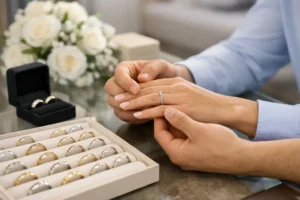
The first step is the person, not the product. Look at how they dress, what metals they already wear, and how active their hands are. Someone who works with their hands or prefers understated jewellery suits a lower-profile, secure setting. Someone who loves detail and statement pieces suits a bolder silhouette or more intricate work.
Gather three to five reference images that share a consistent design language. Too many images blur the direction.
2. Choose the centre stone shape
The stone shape drives the entire design. Its silhouette influences the setting, band proportions and overall character.
- Round brilliant: classic, versatile, strong light return
- Oval: elongating, elegant, suits many hand shapes
- Cushion: soft, romantic, slightly antique feel
- Emerald: architectural, clean lines, relies heavily on clarity
- Pear or marquise: distinctive, requires careful proportion to look balanced
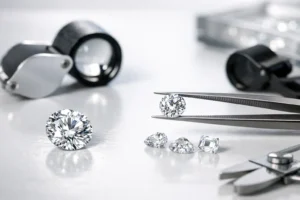
Stone selection involves more than carat weight. Cut quality, colour and clarity all affect beauty and value. A well-cut stone with slightly lower colour or clarity will often look more impressive than a heavier stone with weak visual performance. If budget is a factor, understanding this trade-off is the most important step.
For some clients, a coloured gemstone is the right choice. Sapphires offer rich individuality and excellent wearability. The design should be built around the stone’s specific properties, not adapted from a diamond template.
3. Select the setting style
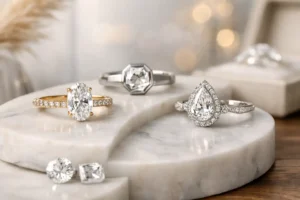
The setting protects the stone and shapes the ring’s personality. See the comparison table below for a full breakdown.
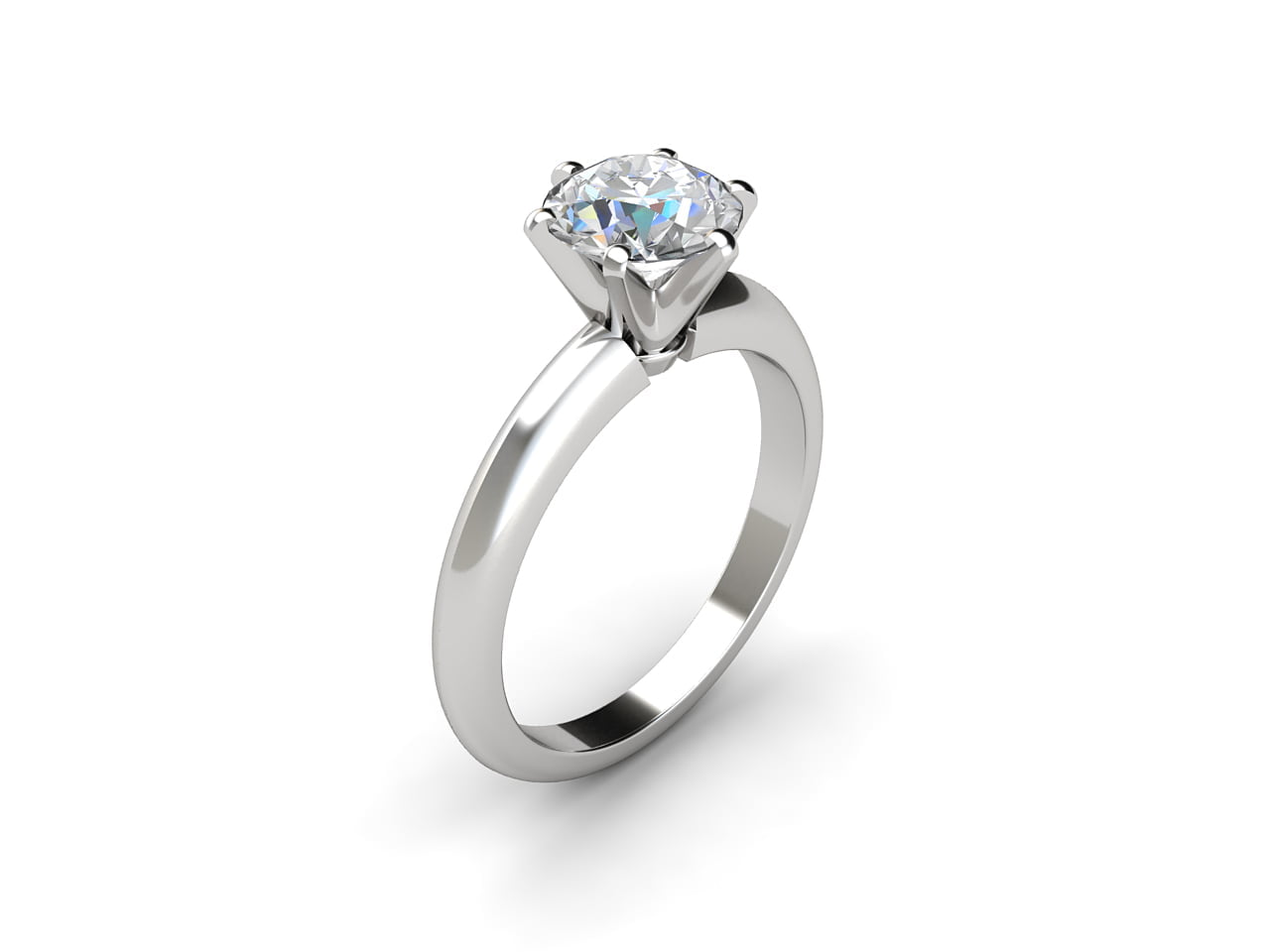
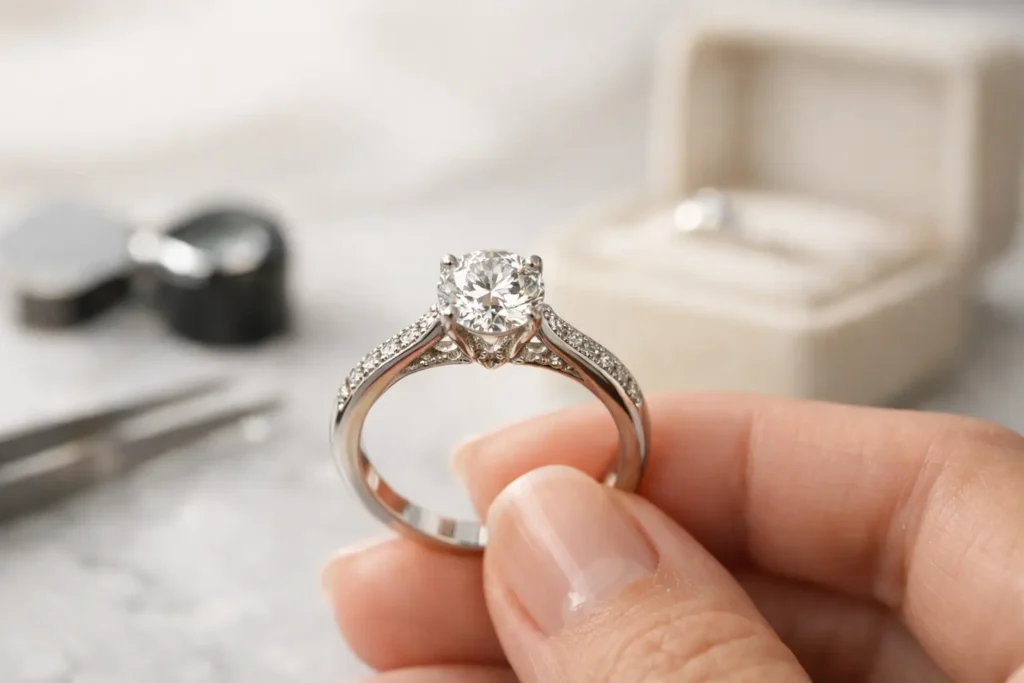
A solitaire gives the stone space to speak. It is refined and adaptable. Simple does not mean basic. The claw shape, basket design, gallery detail, and band taper all significantly change the personality of a solitaire.
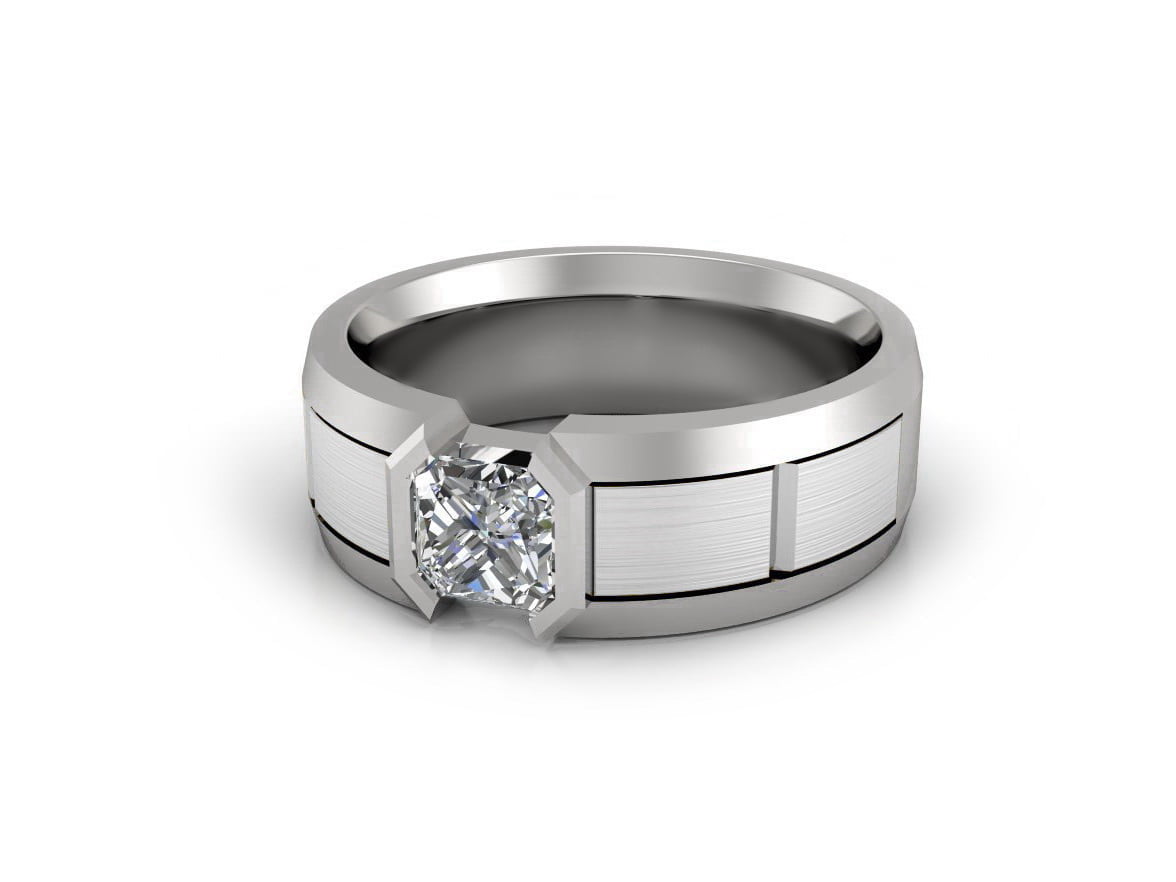
A halo adds perceived size and brilliance but needs careful proportion to avoid overwhelming the centre stone. A bezel offers a sleek, modern line and strong protection, but the stone reads slightly smaller than in a claw setting.
4. Choose the metal
Metal affects colour, durability and long-term maintenance. Platinum is prized for its strength and naturally white appearance. It holds fine claw work well and does not need replating. White gold looks similar but requires rhodium plating over time. Yellow gold brings warmth and richness. Rose gold suits certain complexions and has a romantic quality.
The right metal depends on style preferences, budget, and how often the ring is worn.
5. Resolve the proportions
This is where many rings go wrong. A ring with an excellent stone and a beautiful setting still feels off if the proportions are not resolved. Band width, stone size, setting height, and finger shape all work together.
A delicate hand suits a finer band and careful scale. A larger stone needs a stronger shank to feel balanced. An elongated stone benefits from precise claw placement to read as elegant rather than stretched.
Adjusting a ring by half a millimetre changes the final result. This is where bespoke design adds real value over off-the-shelf options.
6. Add personal details
Personal details do not need to be elaborate to be meaningful. Common choices include:
- A hidden gemstone inside the setting
- An engraving known only to the couple
- A gallery detail inspired by a family heirloom
- A design element that references where you met
The best personal details are integrated into the design, not added on top of it. They support the ring rather than interrupt it.
7. Review the 3D model before production
A bespoke ring is modelled in detail before it is made. You review the proportions, confirm the design and raise any concerns at this stage. Changes before production cost nothing. Changes after production cost significantly more.
This step is where most clients feel confident. You see exactly what you are getting before the ring is made.
Setting styles compared
| Setting | Best for | Consideration |
|---|---|---|
| Solitaire | Timeless, stone-forward designs | Relies entirely on stone quality |
| Halo | Adding perceived size and brilliance | Harder to resize, requires more upkeep |
| Three-stone | Symbolic significance, presence across the finger | More complex build, higher cost |
| Bezel | Modern look, active lifestyles | Stone appears slightly smaller |
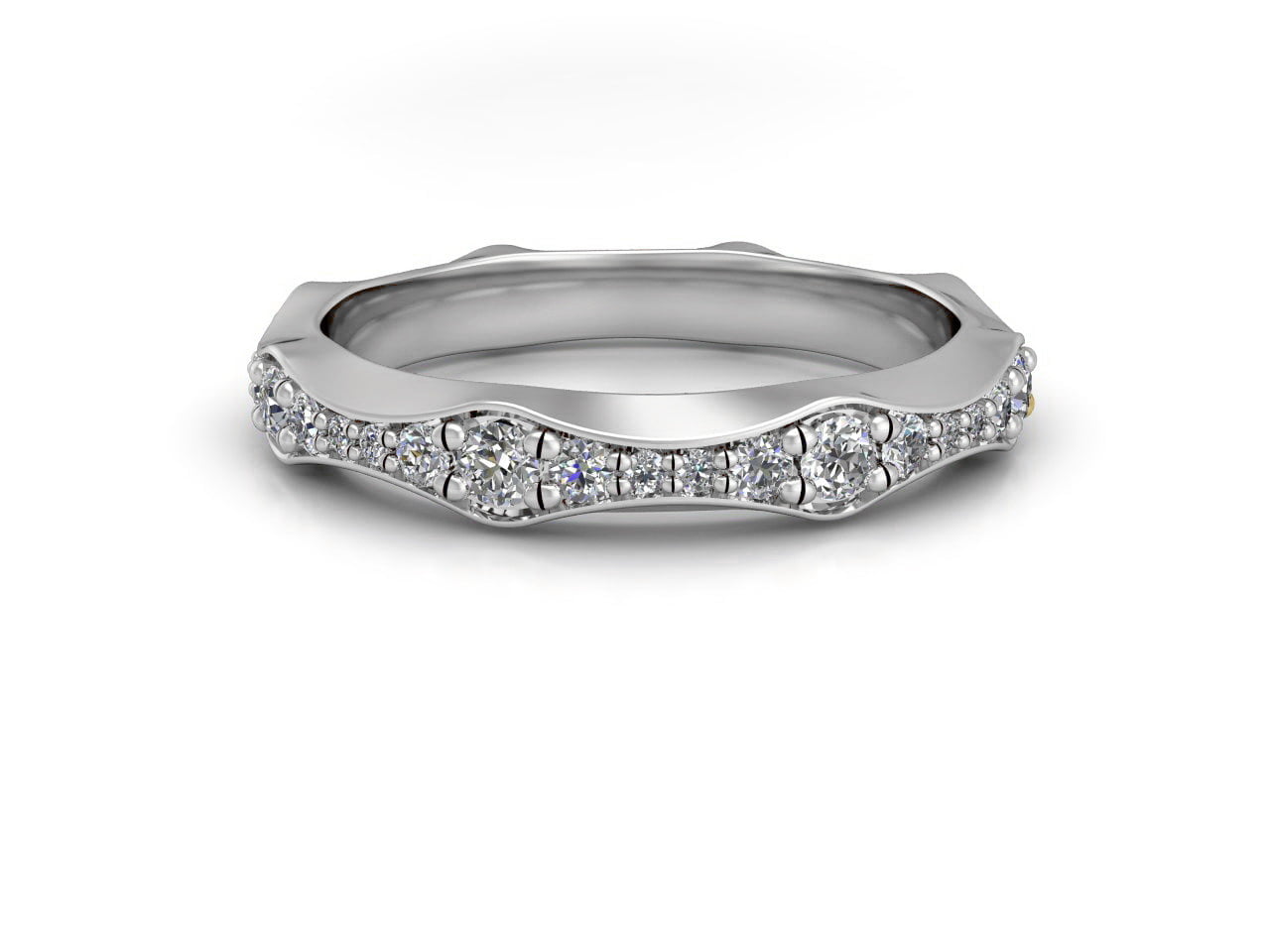
| Pavé shoulders | Adding sparkle along the band | Fine stones need careful maintenance |
Metal options compared
| Metal | Colour | Durability | Key note |
|---|---|---|---|
| Platinum | White | Excellent | No replating needed, heaviest feel |
| 18ct White gold | White | Good | Requires rhodium replating over time |
| 18ct Yellow gold | Yellow | Good | Warm, classic, ages well |
| 18ct Rose gold | Pink-rose | Good | Romantic look, suits warm skin tones |
What to look for in a custom jeweller
- They ask about the wearer before they discuss stones
- They explain trade-offs honestly, including where to save and where to spend
- They show you a 3D model before production begins
- They have a clear, structured process from consultation to delivery
- They work from their own studio, not a third-party manufacturer
- They have verified reviews from past clients
- They offer ongoing care and resizing after the sale
Timelines and costs
How long does the process take?
A bespoke engagement ring takes four to eight weeks from the first consultation to completion. The timeline covers stone sourcing, design development, 3D modelling, manufacturing and hand-finishing.
If you are working toward a proposal date, start the process at least ten weeks out. This allows time for adjustments without pressure.
What affects the cost?
- Centre stone: the single largest cost driver, influenced by carat, cut, colour and clarity
- Stone type: Lab-grown diamonds cost significantly less per carat than natural diamonds of the same grade
- Metal choice: Platinum costs more than gold due to density and rarity
- Setting complexity: a solitaire costs less to produce than a pavé or multi-stone design
- Custom details: engravings, hidden stones and additional hand-finishing add time and cost
What price range should you expect?
Custom engagement rings in Australia typically range from $3,000 to $30,000 or more, depending on the stone and design. A quality one-carat round brilliant in 18ct white gold at Joseph George ranges from $4,000 to $14,000. Budget should guide priorities. It does not limit the quality of the process or the result.
Joseph George Jewellery
Joseph George is a bespoke jewellery studio at 271 Collins Street, Melbourne. Every ring is designed and made to order.
The process starts with a no-pressure consultation. You discuss the wearer’s style, daily life and budget. Stone options are presented, a design is developed, and a 3D model is reviewed before any production begins.
The studio specialises in custom engagement rings, wedding rings and men’s rings, crafted in white, yellow and rose gold and platinum, set with diamonds and coloured precious gems.
To start your design, book a consultation at josephgeorge.com.au.
Key takeaways
- Start with the wearer’s lifestyle and taste before choosing a stone
- The stone shape sets the direction for the entire design
- Cut quality matters more than carat weight in most cases
- Proportions determine how a ring feels on the hand, not just how it looks in a display case
- Review a 3D model before production begins
- Budget is best applied where it creates the most visible impact
- A bespoke ring takes four to eight weeks. Start early if you have a specific date in mind
Frequently asked questions
How long does it take to design a custom engagement ring?
Most bespoke rings take four to eight weeks from consultation to completion. If you have a proposal date in mind, start the process at least ten weeks out to allow time for adjustments.
Is a custom ring more expensive than buying off the shelf?
Not necessarily. Custom design lets you allocate budget precisely. You choose where to spend and where to save, which often results in a better ring for the same money.
What if I do not know what style I want?
A good jeweller guides you through this. Bring a few reference images, describe the wearer’s everyday style, and the direction becomes clear quickly. You do not need to arrive with a finished idea.
Should I choose a natural or lab-grown diamond?
Both are real diamonds with the same physical properties. Lab-grown stones cost significantly less per carat, which allows you to choose a larger or higher-quality stone for the same budget. The right choice depends on your priorities.
What metals work best for an engagement ring in Australia?
Platinum and 18ct gold are the most common choices. Platinum is more durable and holds claws well. White, yellow and rose gold offer different looks and price points. The best option depends on style preference and how actively the ring is worn.
Is it possible to incorporate an existing stone or family jewellery?
Yes. Resetting a family stone into a new design is a meaningful and common option. The stone is assessed first to confirm it suits the intended setting, and the design is built around it.