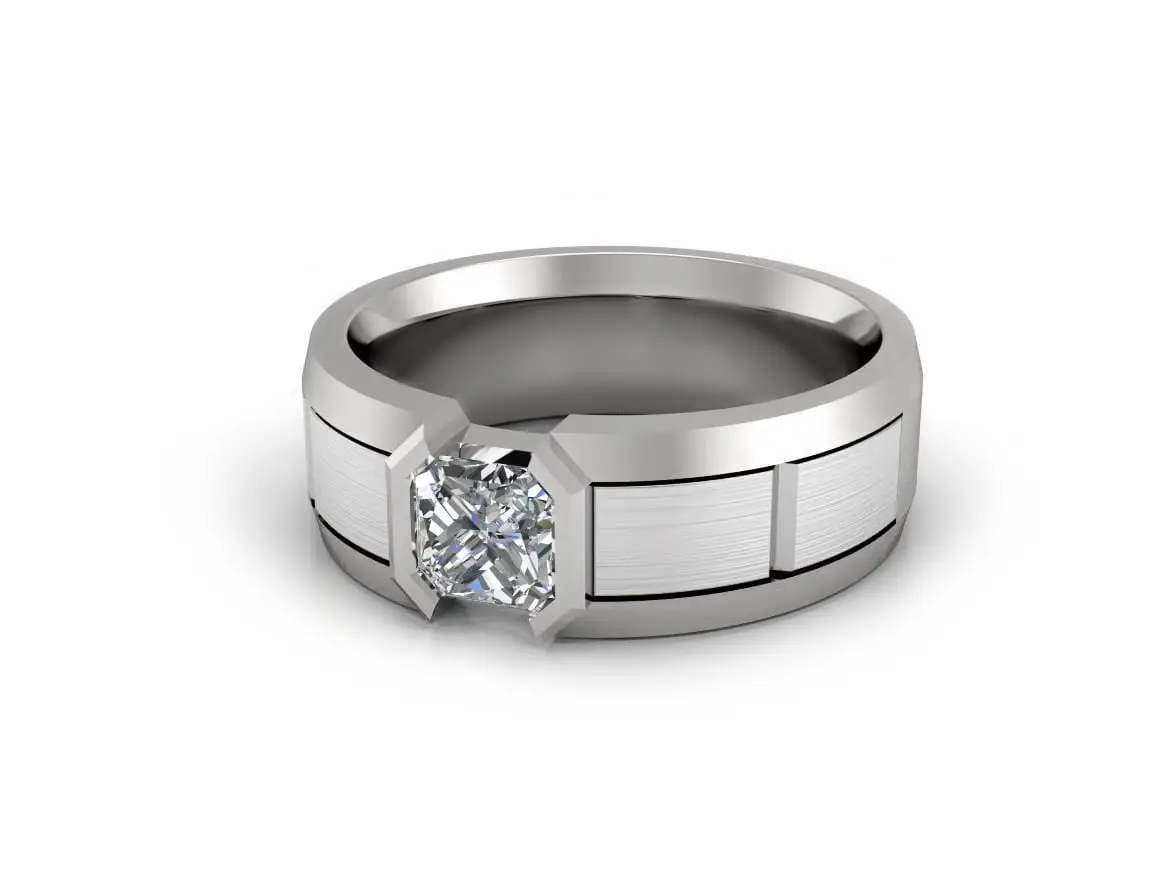
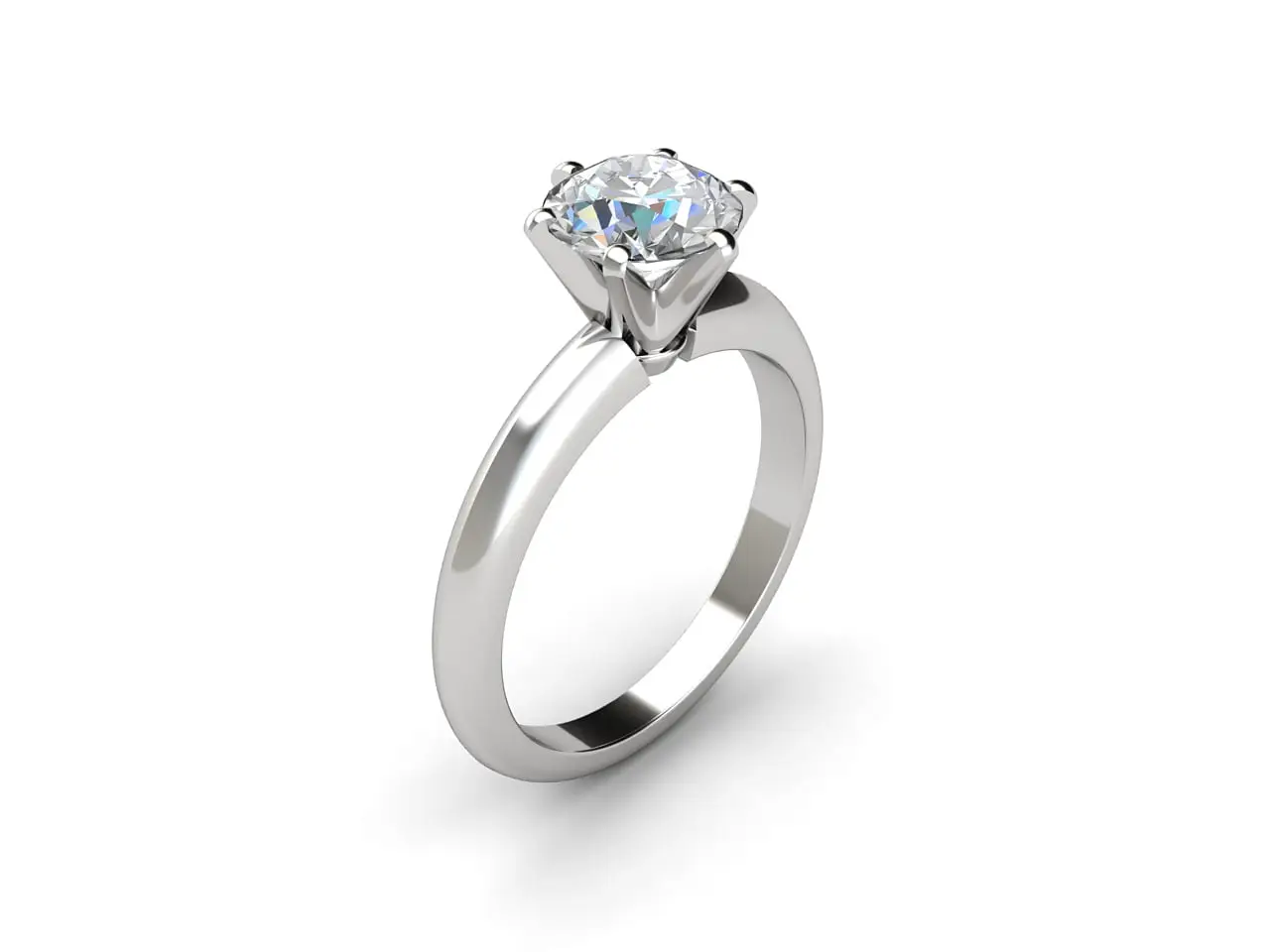
A ring is worn in everyday life as much as at milestone moments – at work, at dinner, on holiday, and through years of daily movement. So when clients ask which metal is best for rings, the honest answer is that there isn’t one metal for everyone. It depends on how you live, what you love aesthetically, and whether the ring is meant for occasional wear or every single day.
For engagement rings, wedding bands and heirloom pieces, the metal matters just as much as the design. It affects colour, durability, maintenance, hand feel, and how the ring will age over time. The right choice should not only suit your taste now, but still feel right years from now.
What metal is best for rings if you wear them every day?
If the ring will rarely come off, durability becomes a priority. Daily wear exposes a ring to knocks, pressure, soap, water, lotions, gym equipment, kitchen benches and all the little impacts that come with a busy life. In that context, platinum and 18k gold are usually the strongest choices for fine jewellery.
Platinum is often considered the premium option for everyday wear, particularly for engagement rings. It is naturally white, dense and durable, with a satisfying weight that many clients associate with quality. Rather than wearing away quickly, platinum tends to displace under pressure, which can help preserve the metal over time. It also develops a soft patina with wear, which some people adore for its understated character.
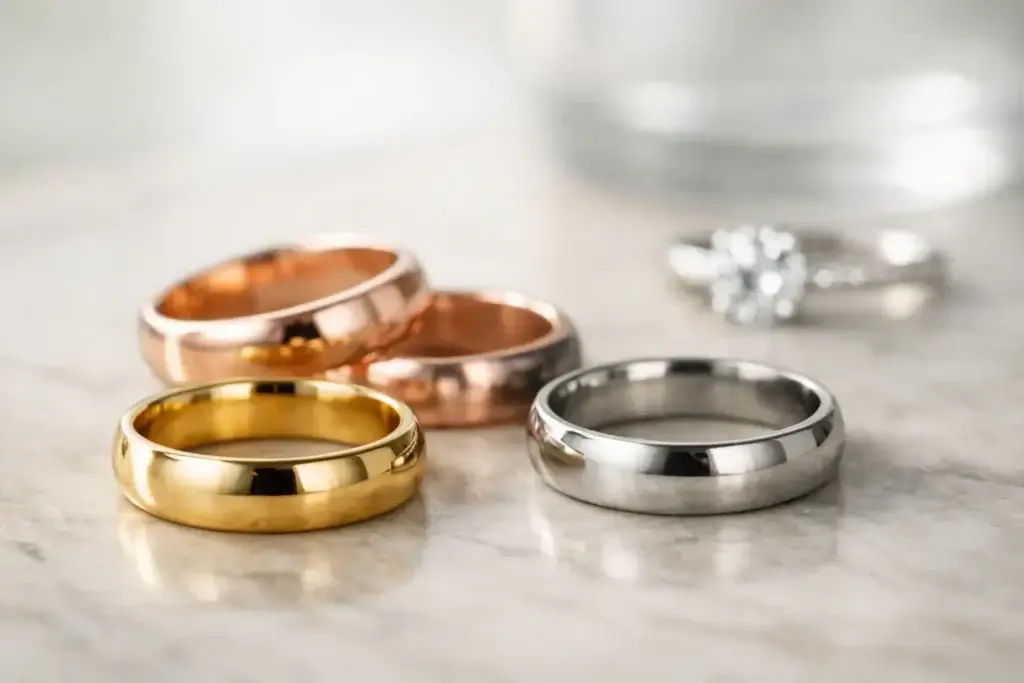
18k gold is another excellent choice, and often the better one if colour is central to the design. Because it contains 75 per cent pure gold blended with alloy metals, it offers a refined balance between richness of colour and practical strength. In bespoke jewellery, 18k yellow gold, white gold, and rose gold each bring a distinct personality to a piece while remaining suitable for long-term wear.
There is no universal winner between platinum and 18k gold. Platinum feels more substantial and stays naturally white. Gold offers more colour options and can be slightly easier to tailor to a specific design vision. The best choice is usually the one that suits both the wearer and the ring style.
Platinum vs gold: which metal suits your ring best?
This is where preference becomes personal.
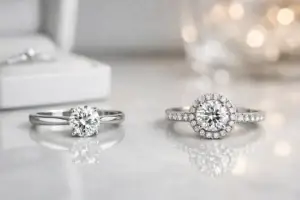
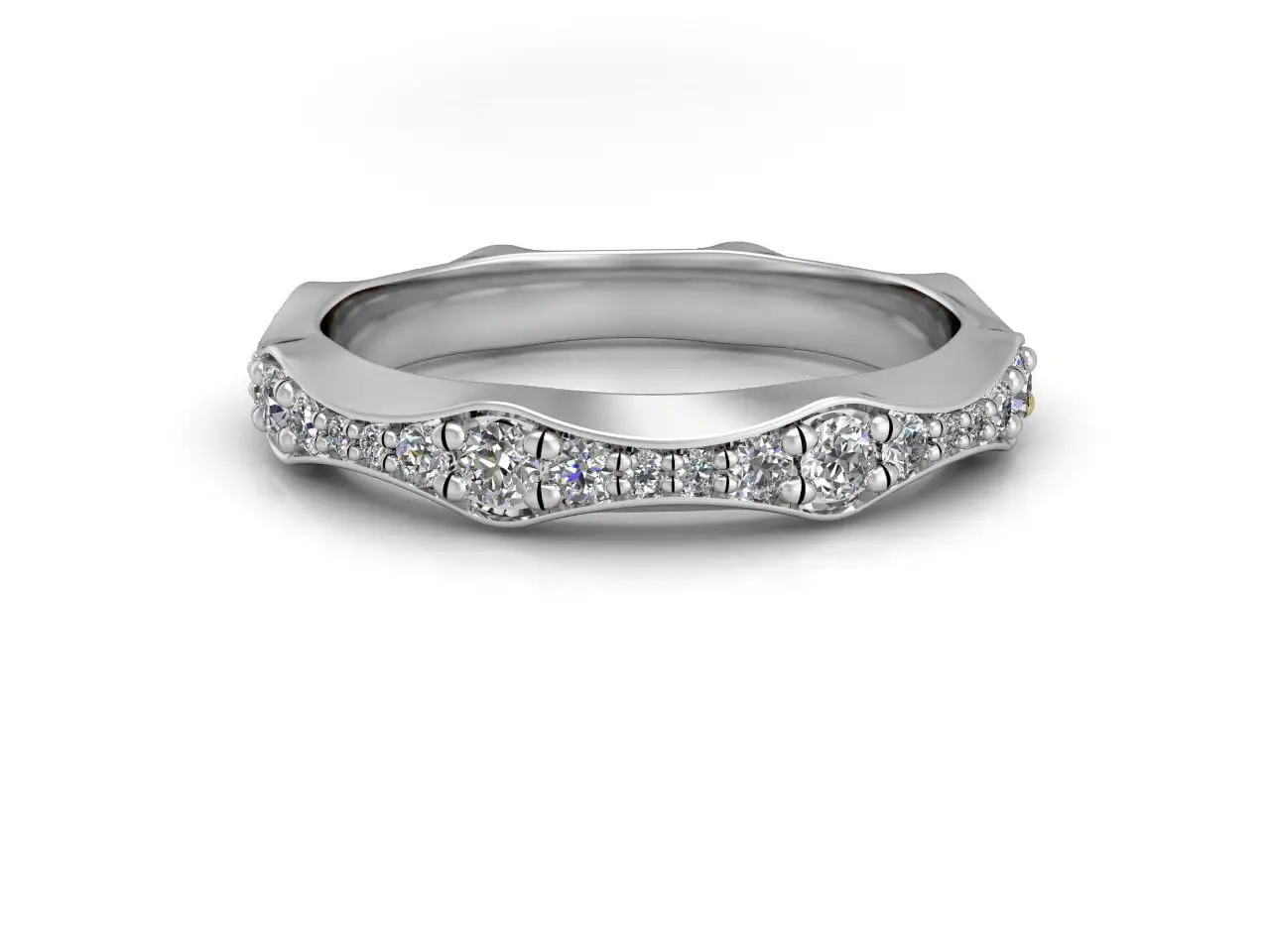
Platinum has a cool, elegant appearance that pairs beautifully with white diamonds. It does not rely on plating to achieve its colour, so what you see is the metal itself. For clients who want a refined white finish with longevity, platinum is a beautiful choice. It is especially well-suited to solitaire engagement rings, diamond-set bands and pieces designed to feel timeless rather than trend-driven.
Yellow gold has a warmth that many people find immediately romantic. It flatters a wide range of skin tones and has a classic appeal that never really disappears. In recent years, it has also become a favourite for those wanting a ring that feels both luxurious and a little more individual than standard white metal settings.
White gold belongs to the same visual family as platinum, but with a different character. It is often finished with rhodium plating to create a bright white surface. That crisp look can be very appealing, particularly in contemporary designs, but it does require some maintenance over the years to keep the ring looking freshly polished and bright.
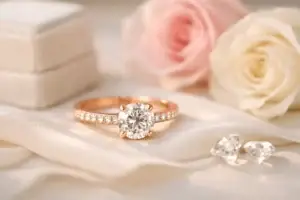
Rose gold is softer in appearance and often chosen for its distinctive blush tone. It can feel vintage, romantic or modern depending on the design. For clients wanting something with warmth and personality, rose gold often has great emotional appeal.
If you are choosing between them, think about what matters most. If you want natural whiteness and weight, platinum may be the answer. If you are drawn to rich colour and the classic character of precious metals, 18k gold may suit you better.
How do different metals wear over time?
One of the most useful questions is not simply what looks best on day one, but what will age gracefully.
Platinum develops a lived-in surface patina rather than losing its identity. Many clients appreciate that quiet softness because it makes the ring feel worn with love rather than worn out. It can also be refinished when desired.
Yellow gold tends to show fine surface marks over time, as all precious metals do, but these often blend into the metal’s natural warmth. White gold may require periodic rhodium replating if you prefer a bright white finish, since the surface can gradually reveal a slightly warmer tone beneath. Rose gold generally holds its colour well and can be quite resilient, though its look is more specific and not for everyone.
No precious metal is completely immune to wear. Rings are not static objects. They move with their hands every day. The real question is whether the metal will age in a way you enjoy and whether it can be maintained properly over the life of the piece.
What metal is best for rings with diamonds?
Diamond rings need a metal that supports both beauty and security.
Platinum is often favoured for diamond settings because of its strength and its naturally white tone, which allows white diamonds to stand out cleanly. It is a particularly strong choice for claws and settings that need to hold a centre stone securely while remaining visually refined.
White gold is also widely used for diamond rings and can create a very bright, polished finish. Yellow gold and rose gold can be equally stunning, especially when the contrast between the metal and the diamond is part of the design. A warmer metal can make a ring feel more personal, more vintage-inspired, or simply more distinctive.
There is also a design nuance here. Some rings use one metal for the band and another for the setting head to balance colour preference with practical performance. For example, a yellow gold band with a white metal setting can offer warmth through the shank while keeping the diamond presentation crisp. In custom work, these combinations allow you to shape the ring around both aesthetics and function.
Comfort, lifestyle and budget all matter
The best metal is not chosen in isolation. It has to suit the person wearing it.
If you work with your hands, go to the gym often, or simply know you are hard on jewellery, durability and ease of maintenance become more important. If you want a ring that feels weighty and substantial, platinum may appeal. If you prefer something slightly lighter with a traditional precious metal warmth, 18k gold may feel more natural.
Budget also plays a role, and it should. A well-made ring should be beautiful and practical within the budget you have set, not only in a showroom moment. Sometimes the smartest decision is choosing a metal that allows you to invest more into the design, craftsmanship or centre stone without compromising long-term quality.
This is one reason custom guidance matters. The right recommendation does not come from a generic chart. It comes from understanding how the ring will be worn, what style speaks to you, and where your priorities sit.
Metals that are less suited to fine jewellery
You may also come across alternatives such as sterling silver, titanium, tungsten and stainless steel. These can be appropriate in certain contexts, especially for fashion jewellery or some men’s bands, but they are not always ideal for heirloom-quality rings.
Sterling silver is attractive but relatively soft and more prone to tarnishing. Titanium and tungsten are durable in their own ways, yet they can be difficult to resize or repair. For a sentimental ring intended to last decades and potentially be passed down, precious metals such as platinum and 18k gold remain the strongest long-term options.
That is especially true when a ring is being made with emotional significance in mind. Engagement rings and wedding bands are rarely just accessories. They carry memory, promise and identity. The metal should be worthy of that role.
So, what metal is best for rings?
If you want the simplest answer, platinum and 18k gold are the best metals for fine rings, especially for engagement and wedding jewellery. From there, the right choice becomes personal.
Choose platinum if you love a naturally white metal, a substantial feel, and a quiet kind of luxury that wears beautifully over time. Choose 18k yellow gold for classic warmth and timeless richness. Choose 18k white gold if you prefer a bright white finish with a more contemporary edge. Choose 18k rose gold if you are drawn to softness, romance and a point of difference.
At Joseph George, we guide clients through this kind of decision carefully, because the best ring is never just about metal on paper. It is about how the piece will look on your hand, how it will live with you, and how it will still feel meaningful years from now.
A beautiful ring should feel considered from every angle. When the metal suits the design, the lifestyle and the story behind it, you do not need the trendiest choice – only the right one.