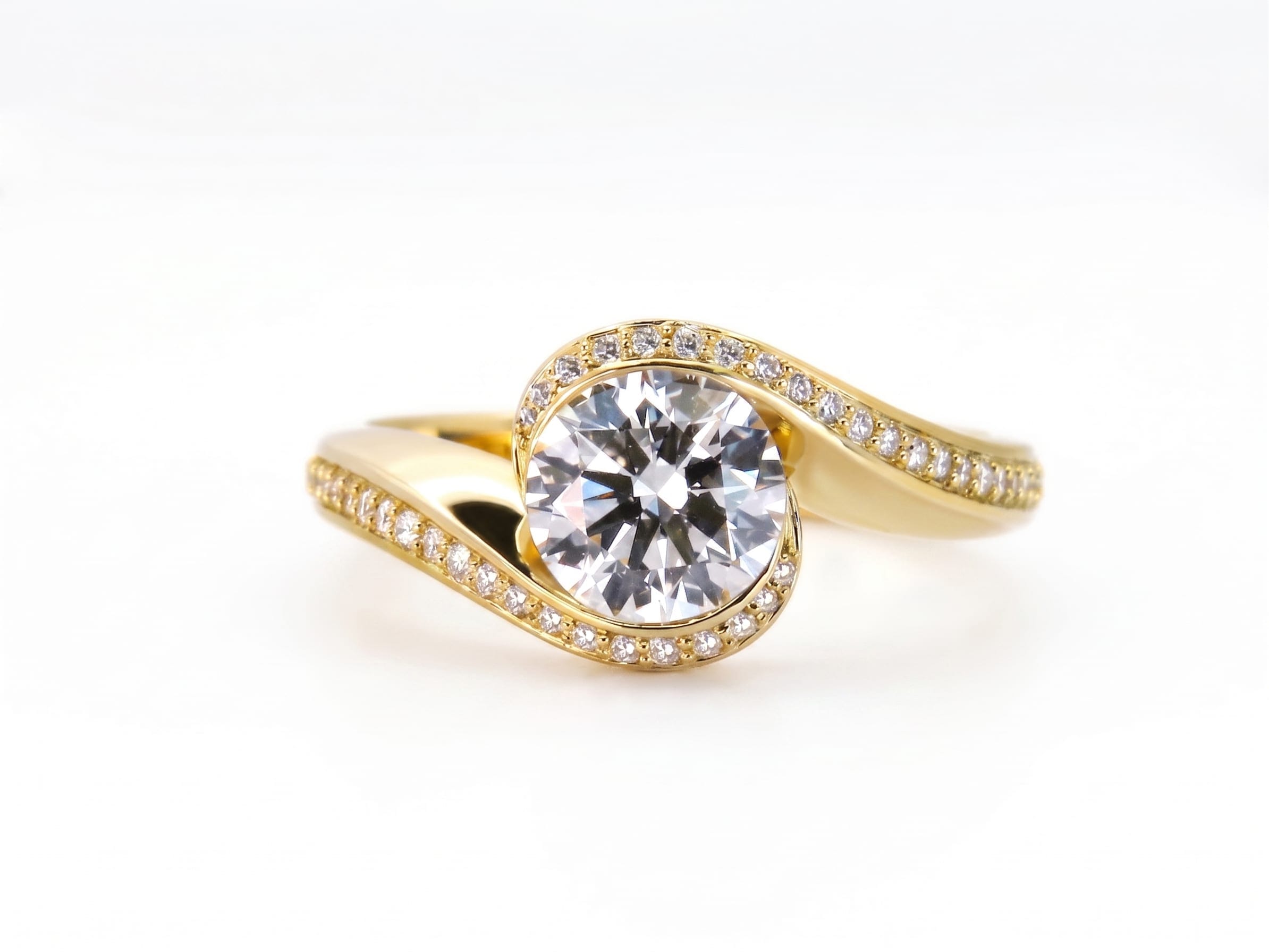
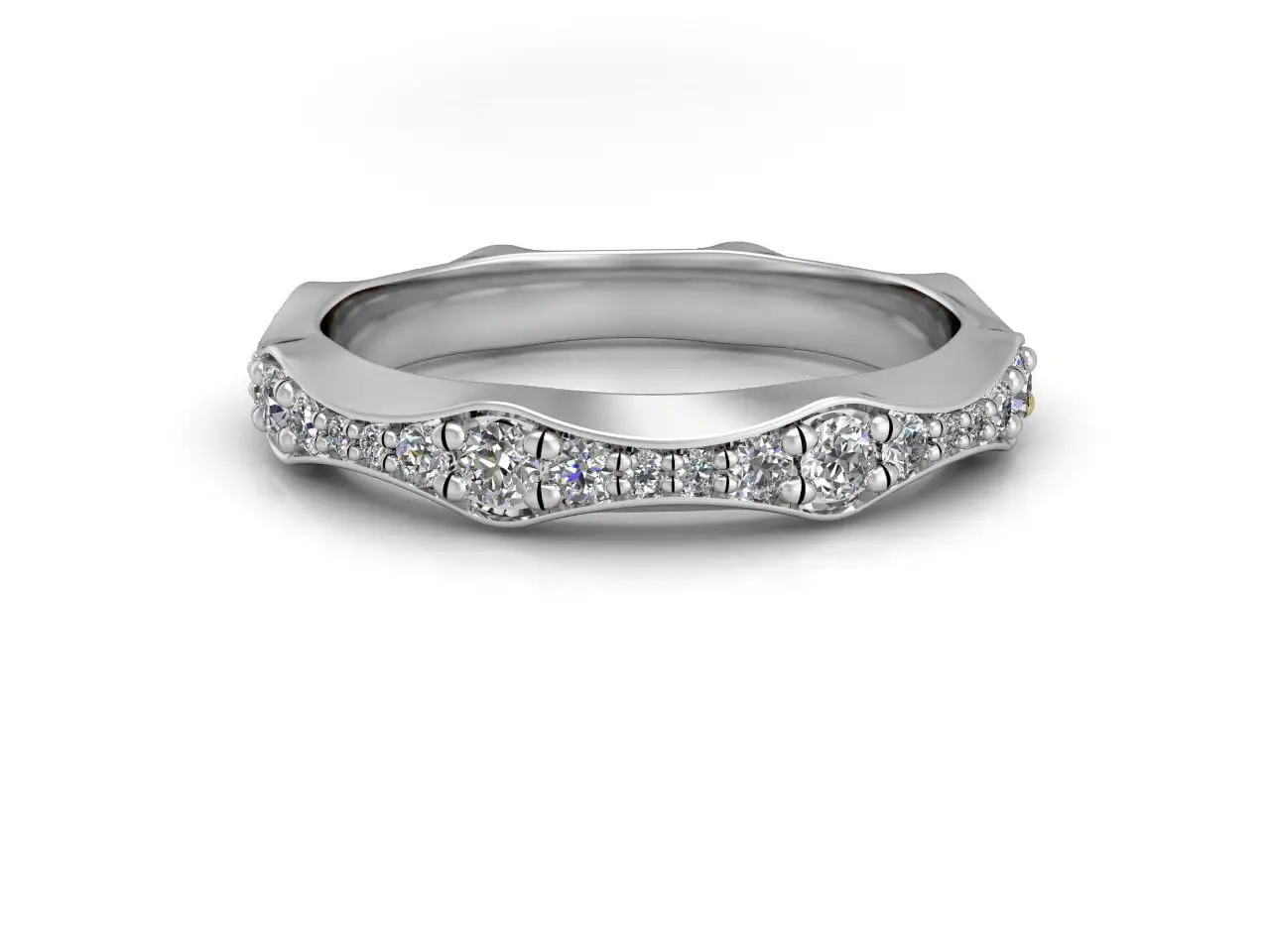
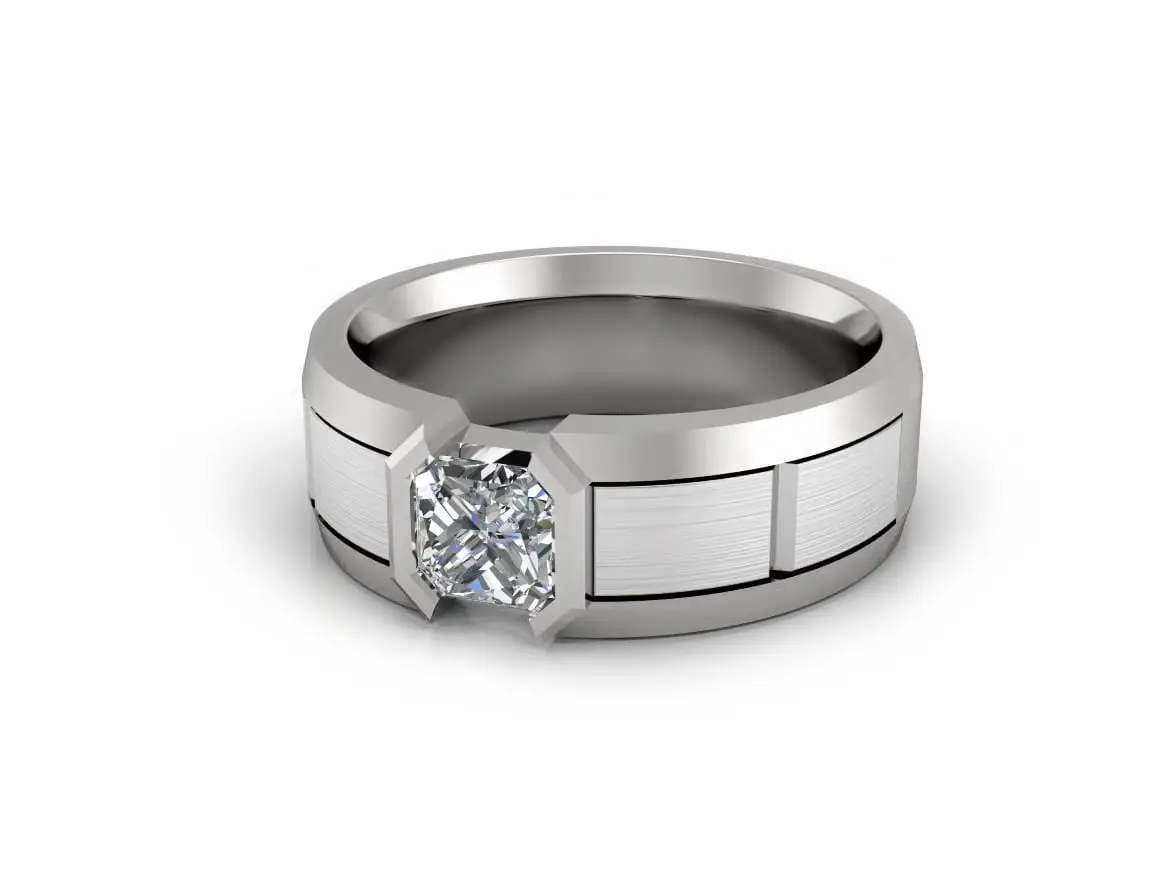

A wedding ring can feel perfect in every way until the fit changes. Sometimes that happens a few months after the wedding. Sometimes it is years later, after weight changes, pregnancy, arthritis, temperature shifts, or simply realising the original size was never quite right. If you are wondering, can wedding rings be resized, the short answer is yes – many can. But not every ring should be, and the safest answer always depends on the metal, the design and how much adjustment is needed.
Because a wedding band is usually worn every day, comfort matters just as much as appearance. A ring that spins constantly, feels tight by evening or needs soap to come off is not something you should just put up with. The good news is that an experienced jeweller can often make a meaningful difference while protecting the integrity of the piece.
Can wedding rings be resized on all designs?
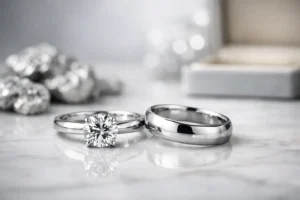
Not all wedding rings are equally straightforward to resize. A plain gold or platinum band is typically the simplest option. These rings are made in a way that allows the jeweller to either remove a small section of metal to size down or add matching metal to size up, then carefully solder, shape and finish the band so the adjustment is as discreet as possible.
More complex designs need a closer look. Rings with diamonds or gemstones set all the way around the band are often difficult to resize because altering the circumference affects the spacing and security of the stones. Tension-set rings, heavily engraved bands, and certain contemporary styles can also be limited. In some cases, resizing is possible but only by a very small amount. In others, remaking the ring is the better long-term solution.
This is where craftsmanship matters. A resize should never be treated as a quick mechanical job. It needs to preserve the ring’s proportions, finish and structural strength, particularly for a piece with deep sentimental value.
How much can a wedding ring be resized?
The amount a wedding ring can be resized depends on its construction. As a general guide, many plain bands can be adjusted up or down by one to two sizes without creating problems. Beyond that, the ring may start to lose its original balance or durability.
Sizing down is often more straightforward than sizing up because the jeweller removes metal rather than adding it. Sizing up requires the addition of compatible metal, and the result needs to match the original band in colour, thickness and profile. With white gold, yellow gold, rose gold and platinum, this can usually be managed well in skilled hands, but each metal behaves differently during the process.
A small change can make a surprisingly large difference in comfort. Clients sometimes assume they need a full-size adjustment when, in fact, half a size is enough to stop the ring from slipping or pinching. That is why proper finger measurement, taken at the right time of day and in realistic conditions, is so valuable.
Factors that affect resizing
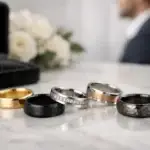
The metal is one of the biggest factors. Gold and platinum are generally suitable for resizing, while some alternative metals are far less forgiving. Titanium, tungsten and certain stainless steel bands are often not resizable at all. If you have a modern men’s ring in one of these materials, the answer may be replacement rather than adjustment.
The width of the band also changes how the ring feels. A wide wedding ring will usually fit more snugly than a narrow one in the same finger size, which is why wide bands often need a slightly different fit calculation. The ring’s setting, any side stones, internal detailing and overall thickness all play a part as well.
When resizing may not be the best option
There are times when resizing a wedding ring is technically possible but still not advisable. If the ring has been resized multiple times before, the metal may already be under stress. If it has become very thin from decades of wear, altering it again can compromise strength. A band with significant sentimental age may need restoration work before any size change is attempted.
For eternity bands, intricate custom designs and rings with patterning right around the shank, remaking the ring can sometimes produce a better result than forcing a resize. That does not diminish the value of the original piece. In fact, it can be the more respectful approach, especially if the goal is to preserve the design properly and create something that remains secure for daily wear.
There is also the question of timing. During pregnancy, after surgery or during periods of noticeable weight fluctuation, it may be worth waiting before resizing unless the ring is unwearable. Fingers do change, but they do not always change permanently.
Can wedding rings be resized without altering the look?
In many cases, yes. A well-executed resize should maintain the original character of the ring so that the change is not obvious to the eye. On a plain polished band, the finished result is often visually seamless once the ring has been cleaned and refinished.
That said, some designs naturally show more evidence of intervention than others. Hand engraving may need to be restored. Milgrain edges may need to be reapplied. Matte or brushed finishes need to be matched. With patterned bands, the jeweller may need to recreate parts of the design by hand after the size adjustment.
This is why clients are right to ask detailed questions before proceeding. A reputable jeweller should explain not just whether the ring can be resized, but how the process will affect the finish, any stones, and the long-term wearability of the piece.
What happens during the resizing process?
For a standard resize, the jeweller first inspects the ring for wear, cracks, thinning and stone security. The band is measured carefully, and the target size is confirmed. If the ring is being made smaller, a section of metal is removed. If it is being made larger, matching metal is added. The ring is then soldered or welded, reshaped into a perfect circle, and refinished so the join is smooth.
After that, stones are checked again, and the surface is polished or restored to the original finish. On a higher-end piece, this stage matters just as much as the actual size alteration. A resize should feel considered, not rushed.
Signs your wedding ring needs resizing
A ring that leaves deep marks, causes swelling above the band or is genuinely difficult to remove is too tight. A ring that slides off in cold weather, spins constantly or feels insecure during normal wear is too loose. Both situations can lead to trouble. A tight ring can become uncomfortable or even unsafe, while a loose ring is at risk of being lost.
Comfort should be judged across the whole day, not just in one moment. Fingers naturally swell in heat, after exercise and later in the day. If a ring only fits first thing in the morning, that is not the full picture. The best fit is usually one that goes on with relative ease, feels secure while worn and comes off with slight resistance rather than a struggle.
Choosing the right jeweller for a resize
Wedding rings carry emotional weight as well as material value, so resizing should be entrusted to someone with genuine bench experience. This is not simply about making the ring bigger or smaller. It is about preserving a symbol of commitment, often one that has been worn through years of everyday life.
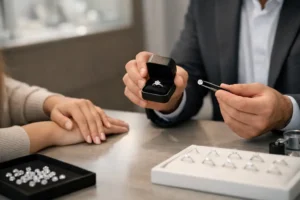
An experienced jeweller will assess whether resizing is appropriate, explain any risks clearly and recommend alternatives when needed. That might include reshaping, adding sizing beads, adjusting the profile for comfort, or remaking the ring if the original design does not allow a safe alteration. At Joseph George, that kind of guidance is part of the process – thoughtful, transparent and tailored to the piece in front of you.
Price should not be the only deciding factor. A cheaper resize that weakens the ring, affects stone security or leaves a visible join can become more costly later. For something as personal as a wedding ring, careful workmanship is worth prioritising.
If your ring no longer feels right, there is no need to guess or keep wearing it uncomfortably. The best next step is a proper assessment. Sometimes the answer is a simple resize. Sometimes it is a more considered adjustment. Either way, the aim is the same – to make sure the ring you wear every day feels as enduring and well-made as the commitment it represents.